Sorafenib: An Overview of its Role in Targeted Cancer Therapy
Sorafenib is a potent, orally administered medication primarily used in the treatment of advanced renal cell carcinoma (RCC) and hepatocellular carcinoma (HCC). As a multi-kinase inhibitor, it functions by targeting specific pathways crucial for tumor cell proliferation and angiogenesis, hindering the growth of cancer cells and the formation of blood vessels that support tumors. The effectiveness of Sorafenib stems from its ability to disrupt various signaling pathways involved in cancer development, making it a significant option in the arsenal of targeted therapies.
Initially approved by the FDA for renal cancer treatment, Sorafenib later gained recognition for its effectiveness against liver cancer, marking its prominence in oncology. This medication represents a shift toward more individualized treatment approaches, allowing healthcare professionals to select therapies that are better suited to the patients' specific cancer profiles. With an increasing prevalence of cancer diagnoses, the relevance of Sorafenib in oncology is more pronounced than ever, making it a vital category in modern cancer treatment regimens.
Understanding the Users and Usage Contexts for Targeted Therapies
The primary users of Sorafenib are patients diagnosed with advanced renal cell carcinoma or hepatocellular carcinoma, alongside their healthcare providers, including oncologists and primary care physicians. Sorafenib is typically administered to patients whose tumors are either unresectable or metastatic, meaning that they cannot be surgically removed or have spread to other parts of the body. In many cases, healthcare professionals consider Sorafenib when conventional therapies, such as chemotherapy and radiation, have proven ineffective.
In clinical settings, Sorafenib is often part of a comprehensive treatment strategy that includes regular monitoring and assessment by medical professionals. Treatment can frequently involve multidisciplinary teams, emphasizing the importance of collaboration between specialists to optimize patient outcomes. Additionally, Sorafenib is applicable in various healthcare contexts, including outpatient settings and specialized oncology clinics, where patient education regarding the usage, schedule, and potential side effects of the drug is critical.
The Distinctive Characteristics and Strengths of Sorafenib
Sorafenib distinguishes itself from other chemotherapy agents and targeted therapies through its unique mechanism of action and broad-ranging efficacy against different tumor types. Unlike conventional chemotherapy, which tends to affect both cancerous and healthy cells, Sorafenib specifically targets the molecular abnormalities that drive cancer growth, resulting in a minimized impact on normal tissues. This targeted approach frequently leads to better tolerability and manageable side effects. Moreover, Sorafenib is effective even in later-stage cancers, providing options for patients who may have limited choices remaining.
Another strength of Sorafenib lies in its ability to mitigate tumor angiogenesis, which is critical for tumor growth and metastasis. By inhibiting the vascular endothelial growth factor (VEGF) receptor and other key proteins, Sorafenib not only slows down the cell division of cancer cells but also disrupts their blood supply, further limiting tumor progression. This dual-action mechanism enhances the overall therapeutic impact of Sorafenib compared to drugs that target only one of these pathways.
The Comprehensive Benefits of Sorafenib
Sorafenib offers several key advantages that position it as a valuable treatment option for select cancer patients:
Targeted Action: Sorafenib specifically attacks cancerous cells without excessively harming surrounding healthy tissue, leading to fewer adverse effects compared to traditional chemotherapy.
Diverse Applications: Initially used for advanced renal cell carcinoma, Sorafenib has also been effective against hepatocellular carcinoma and certain other tumors, broadening its therapeutic scope.
Delay in Disease Progression: Clinical studies have shown that Sorafenib can significantly extend progression-free survival in patients with advanced cancer compared to placebo treatments.
Convenient Administration: As an oral medication, Sorafenib offers the convenience of at-home administration, reducing the burden of frequent hospital visits associated with intravenous therapies.
Emerging Research: Ongoing studies continue to investigate additional potential uses of Sorafenib in combination with other therapies, which may further improve outcomes for patients with various cancer types.
Considerations and Contraindications for Sorafenib Use
Despite its benefits, several important considerations must be assessed before initiating treatment with Sorafenib. Patients should discuss their complete medical history with their healthcare provider to identify any contraindications. For example, Sorafenib is not recommended for individuals with known hypersensitivity to the drug or its components, severe liver dysfunction, or significant cardiovascular conditions.
Additionally, the potential side effects commonly associated with Sorafenib should be communicated clearly to patients. These can include hypertension, diarrhea, fatigue, skin reactions, and risk of bleeding. Regular monitoring by healthcare professionals is essential to manage these effects appropriately and adjust the treatment plan as needed. Before starting treatment, patients should also consider potential drug interactions with other medications they are taking, making it crucial to provide a full list of current prescriptions to healthcare providers.
In conclusion, while Sorafenib presents a promising avenue for the treatment of certain cancers, careful patient selection and consideration of individual health status are paramount to optimize its success and minimize potential risks.
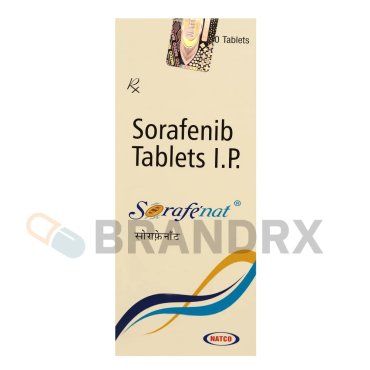
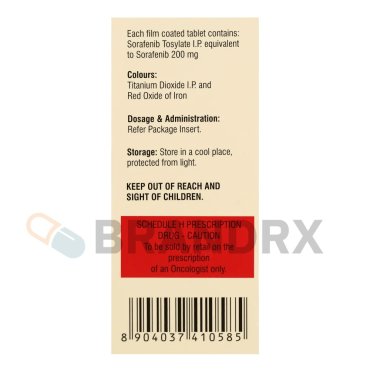
Sorafenib price in BuySteroidsGroup online store
| Online Sorafenat 200 mg Natco Pharmaceuticals Ltd. |
216.00€ |
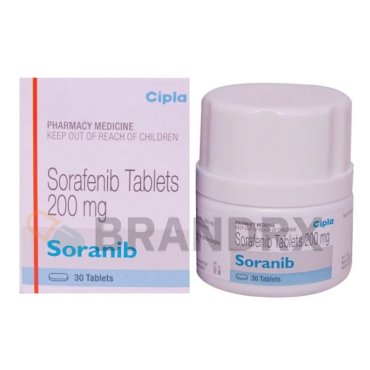
| Online Soranib 200 mg Cipla |
54.00€ |
Frequently asked Questions (FAQ) - Sorafenib
We work only with pharmaceutical trusted producers, for example: Natco Pharmaceuticals Ltd., Cipla.
You can buy Sorafenib in budget options for only 54.00 € up to premium options for 216.00 €.
The most popular products in category Sorafenib in 2026:
- Online Sorafenat 200 mg Natco Pharmaceuticals Ltd.
- Online Soranib 200 mg Cipla