
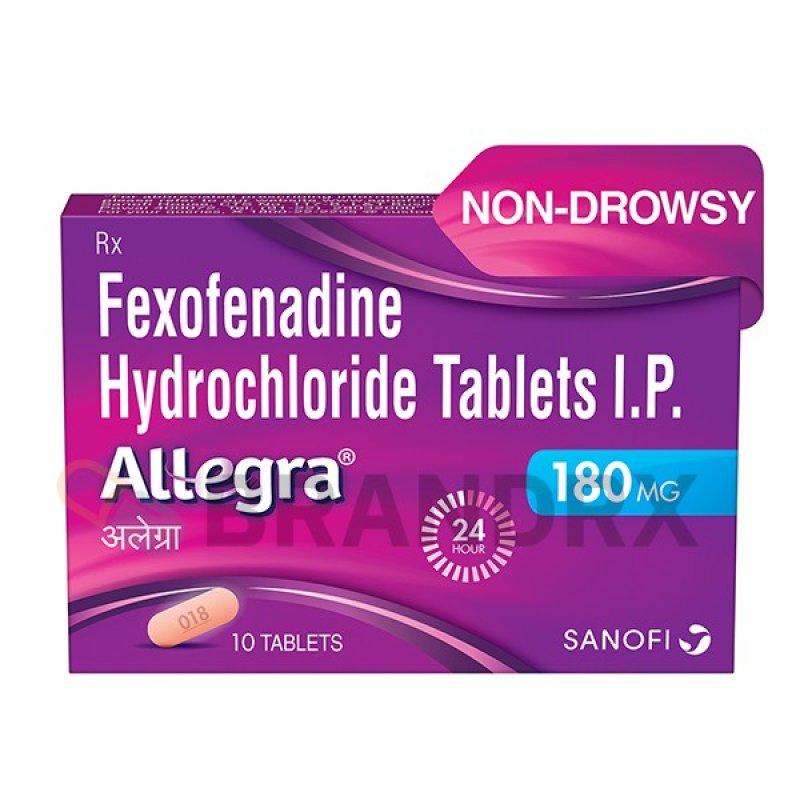
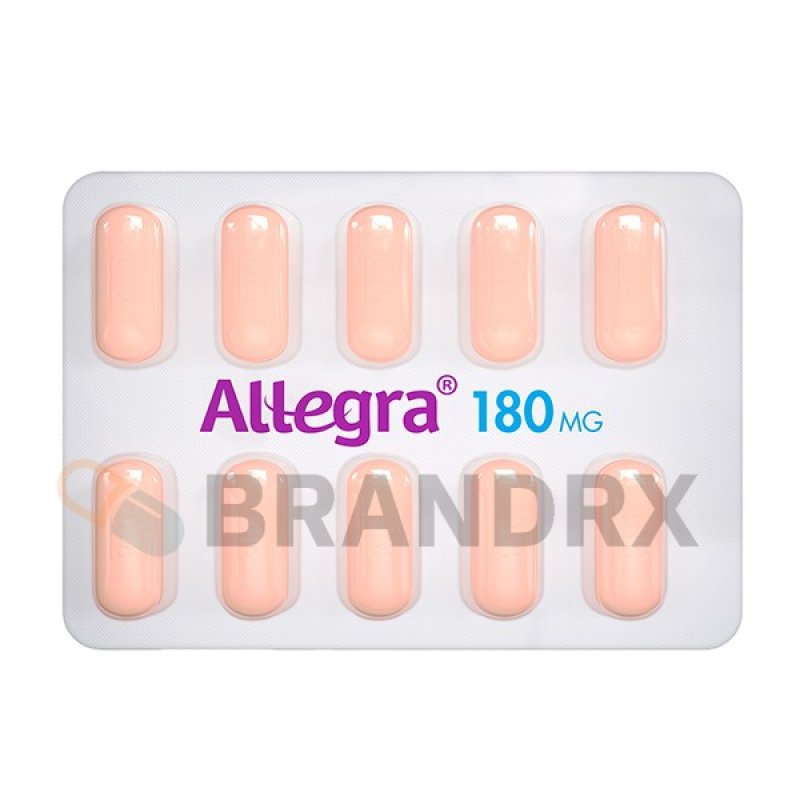
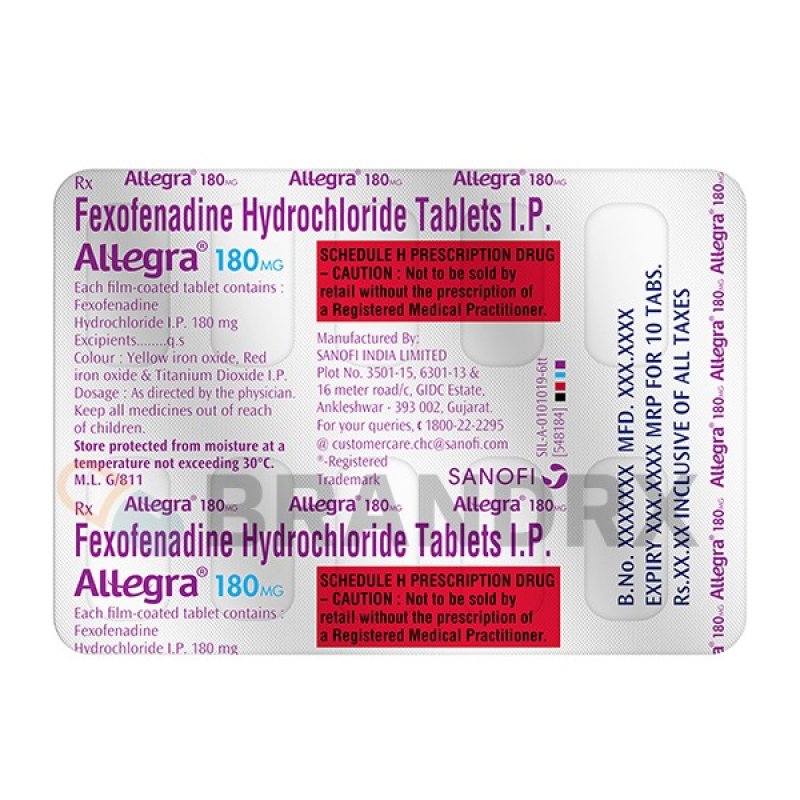
Allegra 180 mg Aventis role in sports pharmacology
Allegra 180 mg Aventis is a medication primarily recognized for its antihistamine properties. It is widely used for the relief of allergy symptoms, but its role extends into the realm of sports pharmacology. Athletes often encounter allergic reactions from environmental factors, such as pollen or dust, particularly during outdoor training or competitions. Allegra, with its active ingredient fexofenadine, serves as a non-sedating antihistamine, allowing athletes to manage symptoms such as sneezing, runny nose, and itchy eyes without compromising their performance.
The relevance of Allegra 180 mg Aventis is multifaceted. Its ability to control allergy symptoms effectively can enhance an athlete's overall experience and performance by ensuring they remain focused and comfortable during physical activities. Moreover, because it does not induce drowsiness, athletes can maintain their energy levels and reaction times, which are crucial during competitive events. Understanding the role of Allegra within the framework of sports pharmacology is essential for athletes aiming to balance their health with maximum performance potential.
Dosage scheme and optimal use
When it comes to Allegra 180 mg Aventis, the dosage scheme is straightforward, yet it is crucial for users to adhere to recommended guidelines. Generally, the standard dosage for adults and children aged 12 years and over is one tablet (180 mg) taken once daily, with or without food. It is important to avoid exceeding this recommended dosage as doing so may lead to adverse effects.
Taking Allegra at the same time each day can help maintain consistent levels of the medication in the body, further enhancing its efficacy. Users should be aware that while this medication is designed to alleviate allergy symptoms, it does not replace the need for proper hydration, a balanced diet, and overall wellness in order to achieve optimal athletic performance. Additionally, individuals should consult healthcare providers before starting Allegra, particularly if they have pre-existing conditions or are taking other medications that may interact with antihistamines.
Main benefits of Allegra 180 mg Aventis
Allegra 180 mg Aventis offers several advantages that contribute to its popularity among users, particularly those engaged in sports. The key benefits of this medication include:
- Non-sedating formula, allowing athletes to stay alert and active.
- Relief from allergy symptoms such as sneezing, runny nose, and itchy eyes.
- Quick onset of action, often providing relief within 1 hour.
- Long-lasting effects, providing up to 24 hours of symptom control.
- Minimal drug interactions compared to other antihistamines.
This combination of benefits makes Allegra 180 mg Aventis an attractive option for athletes who refuse to let allergies sideline their performance. By managing allergy symptoms effectively, users can focus on their training and competition, ensuring that they perform at their best even in challenging environments.
Contraindications and important limitations of use
While Allegra 180 mg Aventis is generally considered safe for most individuals, there are certain contraindications and limitations that users should be aware of. Individuals with a known hypersensitivity to fexofenadine or any of the excipients in the formulation should avoid using this medication. Additionally, people with severe kidney impairment should consult a healthcare professional before use, as dosage adjustments may be necessary.
Pregnant or breastfeeding women should also seek medical advice prior to using Allegra to ensure safety for both themselves and their child. Furthermore, since Allegra may interact with other medications, especially certain antibiotic or antifungal treatments, it is crucial that users disclose their complete medication history to their healthcare provider to avoid potential adverse effects.
In conclusion, while Allegra 180 mg Aventis can be incredibly beneficial for managing allergy symptoms in the realm of sports, it is essential to utilize it with caution and under the guidance of a healthcare professional. This approach ensures safe usage while maximizing its advantages for athletes. Maintaining awareness of its contraindications and limitations will help users make informed decisions about their health and performance.
| Features | |
| Active substance | Fexofenadine |
| Also known as | Terfenadine metabolite |
| Blood pressure | No significant effect |
| Chemical name | (В±)-4-[1-hydroxy-4-[4-(hydroxydiphenylmethyl)-1-piperidinyl]butyl]-О±,О±-dimethyl benzeneacetic acid |
| Dosage (medical) | 60 mg twice daily or 180 mg once daily |
| Dosage (sports) | Not applicable |
| Effects | Reduces allergy symptoms such as sneezing, runny nose, itchy or watery eyes, and hives |
| Formula | C32H39NO4 |
| Half-life | 14.4 hours |
| Hepatotoxicity | Low |
| Lab Test | Not specific |
| Main action | H1 receptor antagonist |
| Side effects | Headache, drowsiness, nausea, dizziness |
| Storage conditions | Store at room temperature away from moisture |
| Strength | 180mg |
| Substance class | Antihistamine |
| Trade name | Allegra, Telfast, Fexidine |
| Use in sports | None |
| Water Retention | No |
| Manufacturer | Aventis Pharma Limited |
| Packing | 10 tabs/blister |