
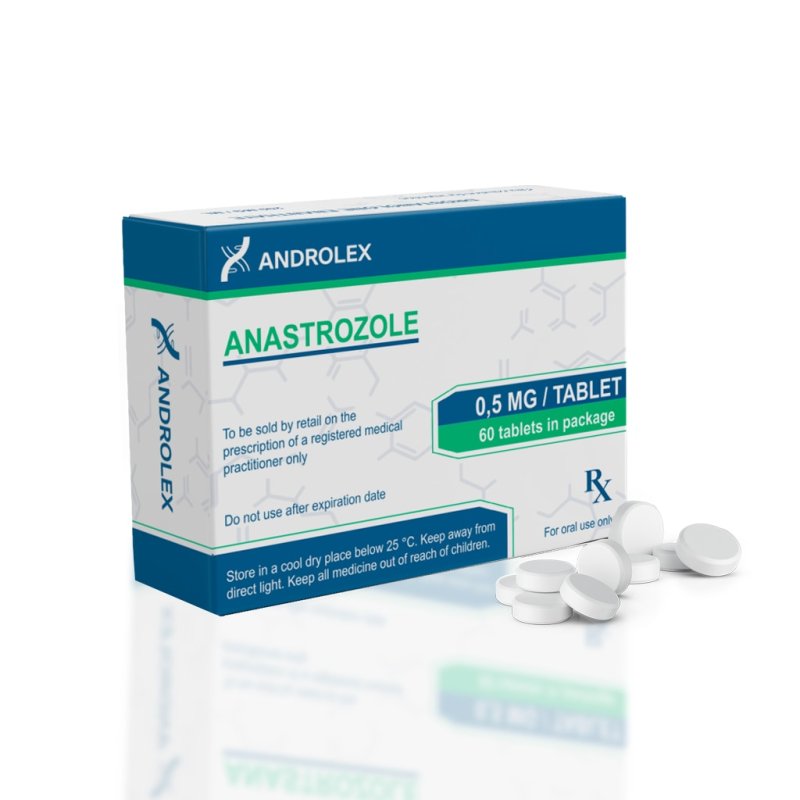
Anastrozole 0.5 mg Androlex: An Overview of Its Mechanism and Characteristics
Anastrozole 0.5 mg Androlex is a medication primarily utilized in the management of certain types of breast cancer. This drug falls within the category of aromatase inhibitors and functions by obstructing the conversion of androgens to estrogens. Essentially, by decreasing estrogen levels in the body, Anastrozole plays a pivotal role in slowing down or halting the growth of hormone-sensitive tumors. Its ability to selectively inhibit aromatase enzymes makes it a favorable choice for treating postmenopausal women with hormone receptor-positive breast cancer.
The basic principles of operation of Anastrozole 0.5 mg Androlex hinge on hormonal modulation. When estrogen is inhibited, it reduces the stimulus for cancer cell proliferation that can lead to tumor growth. This characteristic distinguishes Anastrozole from other treatments that may have broader hormonal effects, providing a more targeted approach to treatment. In comparison with other hormonal therapies, Anastrozole offers benefits such as improved survival rates and a favorable side effect profile for many patients.
Forms and Dosage of Anastrozole 0.5 mg Androlex
Anastrozole 0.5 mg Androlex is primarily available in oral tablet form. Each tablet typically contains the active ingredient, Anastrozole, in a dosage of 0.5 mg, making it convenient for patients to take as prescribed. The recommended dose often varies based on individual patient conditions and treatment plans but typically involves taking the medication once daily. This straightforward dosing regimen is designed to enhance adherence to therapy and overall treatment outcomes.
The tablets are taken orally and can be consumed with or without food. It's essential to follow the prescribed dosage by a healthcare professional to achieve optimal results in combating breast cancer. Clinicians may adjust the dosage based on the treatment response and specific patient needs, ensuring that each individual receives the most suitable level of care.
Why Choose Anastrozole 0.5 mg Androlex Over Other Options?
One of the key advantages of Anastrozole 0.5 mg Androlex compared to other hormonal therapies is its specificity in targeting estrogen production without affecting other hormonal pathways that may be crucial for overall health. Unlike some treatments that may be associated with significant systemic side effects, Anastrozole can alleviate some of these concerns by providing a more focused method of treatment.
Moreover, studies suggest that Anastrozole not only effectively reduces estrogen levels but also shows a better side effect profile and improved quality of life compared to tamoxifen, another frequently used medication in hormone-receptor-positive breast cancer treatment. Patients considering their options should weigh these differences, particularly if they seek a long-term solution aligned with their health objectives.
Long-term Effects and Precautions for Anastrozole 0.5 mg Androlex
The long-term effects of using Anastrozole 0.5 mg Androlex can vary significantly between patients, with some experiencing substantial benefits in managing their condition while others may face challenges. Common side effects may include hot flashes, joint pain, and increased risk of osteoporosis due to the lowering of estrogen levels. Therefore, healthcare providers often monitor patients closely for any emerging issues, particularly those related to bone density.
It is crucial to understand that Anastrozole 0.5 mg Androlex may not be suitable for everyone. Contraindications include pregnant women, as the drug can potentially harm fetal development; children, for whom the use and effects have not been adequately studied; and individuals with pre-existing health conditions such as severe liver impairments. Patients should engage in thorough discussions with their healthcare providers to determine the suitability of this medication based on their health history.
Practical Advice on Starting Anastrozole 0.5 mg Androlex
When considering Anastrozole 0.5 mg Androlex, it is vital to approach the decision carefully and under medical supervision. Patients should start by consulting with their oncologist or healthcare provider to fully understand how this medication fits into their overall treatment plan. Asking questions about dosing, potential side effects, and monitoring can aid in alleviating concerns and expectations.
Additionally, it may be beneficial for patients to keep a record of their symptoms and any side effects they experience while on Anastrozole for better insight during follow-up appointments. As with any medication, communication with healthcare providers ensures adjustments can be made as necessary for the patient's well-being. Understanding lifestyle modifications, such as diet and exercise, may also optimize the medication's efficacy while contributing to overall health during treatment.
| Features | |
| Also known as | Anastrol, Anastrozolo |
| Blood pressure | Can cause changes in blood pressure, monitor regularly |
| Chemical name | 2,2'-(5-(1H-1,2,4-triazol-1-ylmethyl)-1,3-phenylene)bis(2-methylpropanenitrile) |
| Dosage (medical) | 1 mg once daily |
| Dosage (sports) | Not officially recommended, varies widely, typically 0.5 mg to 1 mg every other day |
| Effects | Reduces estrogen levels, increases testosterone levels |
| Formula | C17H19N5 |
| Half-life | 46.8 hours |
| Hepatotoxicity | Low, rare cases of liver enzyme elevations |
| Lab Test | Monitors estrogen levels and liver function |
| Main action | Inhibits enzyme aromatase, reducing estrogen production |
| Side effects | Hot flashes, joint stiffness or pain, weakness, sore throat, depression, nausea, and vomiting |
| Storage conditions | Store at room temperature away from moisture and heat |
| Substance class | Aromatase inhibitor |
| Trade name | Arimidex |
| Use in sports | Used to control estrogen levels and prevent gynecomastia in anabolic steroid users |
| Water Retention | Reduces water retention |