
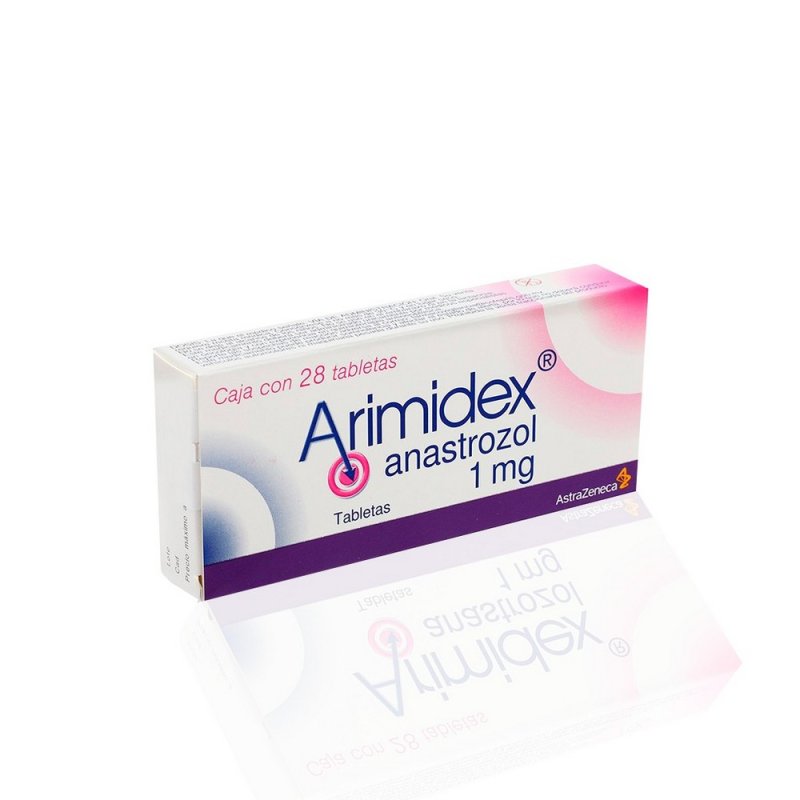
Armidex 1 mg AstraZeneca: Overview and Functions
Armidex 1 mg AstraZeneca is a prescription medication primarily used in the treatment of hormone receptor-positive breast cancer in postmenopausal women. The active ingredient, anastrozole, is classified as an aromatase inhibitor. It functions by reducing the amount of estrogen the body produces, which can slow or stop the growth of certain types of breast tumors that require estrogen to grow. This drug is pivotal in the management of breast cancer and forms an essential part of the therapeutic protocols aimed at increasing survival rates and improving quality of life for patients.
Typical Uses and Importance of Professional Guidance
Armidex 1 mg AstraZeneca is commonly prescribed in various situations, particularly for women diagnosed with early-stage or advanced breast cancer that is either hormone receptor-positive or hormone-dependent. Its primary purpose is to reduce the recurrence of breast cancer post-surgery and provide a more effective approach in advanced cases. Additionally, this medication may be part of a broader treatment strategy that includes surgery, radiation, and chemotherapy.
It is extremely important to seek professional medical advice before use. Only a qualified healthcare provider can determine if Armidex is the most appropriate treatment based on individual health conditions and medical history. Always discuss potential benefits and risks with your physician to ensure the best treatment plan tailored to your specific needs.
Is Armidex 1 mg AstraZeneca Right for You?
If you are considering using Armidex 1 mg AstraZeneca, it’s essential to evaluate whether this medication is a suitable option for your health situation. Here are some key benefits and criteria to determine your suitability:
- You are a postmenopausal woman diagnosed with hormone receptor-positive breast cancer.
- You have undergone surgery, and your physician has recommended adjuvant therapy to reduce the chance of cancer recurrence.
- You are looking for a treatment option that can help manage advanced breast cancer alongside other therapeutic approaches.
- Your healthcare provider has assessed that the benefits of lowering estrogen levels outweigh possible side effects.
- You are committed to regular medical evaluations to monitor efficacy and monitor potential side effects.
By understanding these criteria, you will be better equipped to have discussions with your healthcare provider about whether Armidex aligns with your treatment goals and overall health strategy.
Considerations When Choosing Armidex 1 mg AstraZeneca
When making the decision to use Armidex 1 mg AstraZeneca, there are several vital considerations to be aware of. First and foremost, contraindications are paramount in ensuring patient safety. This medication may not be suitable for:
- Pregnant or breastfeeding women due to potential harm to the fetus or infant.
- Children and adolescents, as Armidex is specifically indicated for postmenopausal women.
- Individuals with severe liver impairment or active liver disease, which can impact drug metabolism.
- Patients who have a known hypersensitivity to anastrozole or any of the excipients in the formulation.
Discussing your full medical history with your healthcare provider is vital to identify any possible risks and ensuring that Armidex is the right choice for you. Your doctor will help you weigh the benefits against potential risks in the context of your overall health.
Key Information and Next Steps for Armidex 1 mg AstraZeneca
In summary, Armidex 1 mg AstraZeneca represents a crucial option for women dealing with hormone receptor-positive breast cancer. As you consider treatment options, it is essential to engage in thorough discussions with your healthcare provider to ensure that this medication matches your medical conditions, treatment history, and personal health goals.
If you believe Armidex may be suitable for you, the next steps involve scheduling an appointment with your doctor to discuss your specific case. Your physician will evaluate your health and treatment options and provide guidance on the best path forward. Always remember that informed decisions stem from professional consultations, and having a proactive approach to your treatment can significantly impact your health journey.
| Features | |
| Active substance | Anastrozol |
| Also known as | Anastrol, Anastrozolo |
| Blood pressure | Can cause changes in blood pressure, monitor regularly |
| Chemical name | 2,2'-(5-(1H-1,2,4-triazol-1-ylmethyl)-1,3-phenylene)bis(2-methylpropanenitrile) |
| Dosage (medical) | 1 mg once daily |
| Dosage (sports) | Not officially recommended, varies widely, typically 0.5 mg to 1 mg every other day |
| Effects | Reduces estrogen levels, increases testosterone levels |
| Formula | C17H19N5 |
| Half-life | 46.8 hours |
| Hepatotoxicity | Low, rare cases of liver enzyme elevations |
| Lab Test | Monitors estrogen levels and liver function |
| Main action | Inhibits enzyme aromatase, reducing estrogen production |
| Side effects | Hot flashes, joint stiffness or pain, weakness, sore throat, depression, nausea, and vomiting |
| Storage conditions | Store at room temperature away from moisture and heat |
| Substance class | Aromatase inhibitor |
| Trade name | Arimidex |
| Use in sports | Used to control estrogen levels and prevent gynecomastia in anabolic steroid users |
| Water Retention | Reduces water retention |
| Active ingredient, mg | 1 |
| Release form | Pills |
| 1 Pill, mg | 1 |
| Blister, pills | 2, 14 |
| Manufacturer | AstraZeneca |
| Packing | Blister (14 Pills), Package (2 blisters) |