
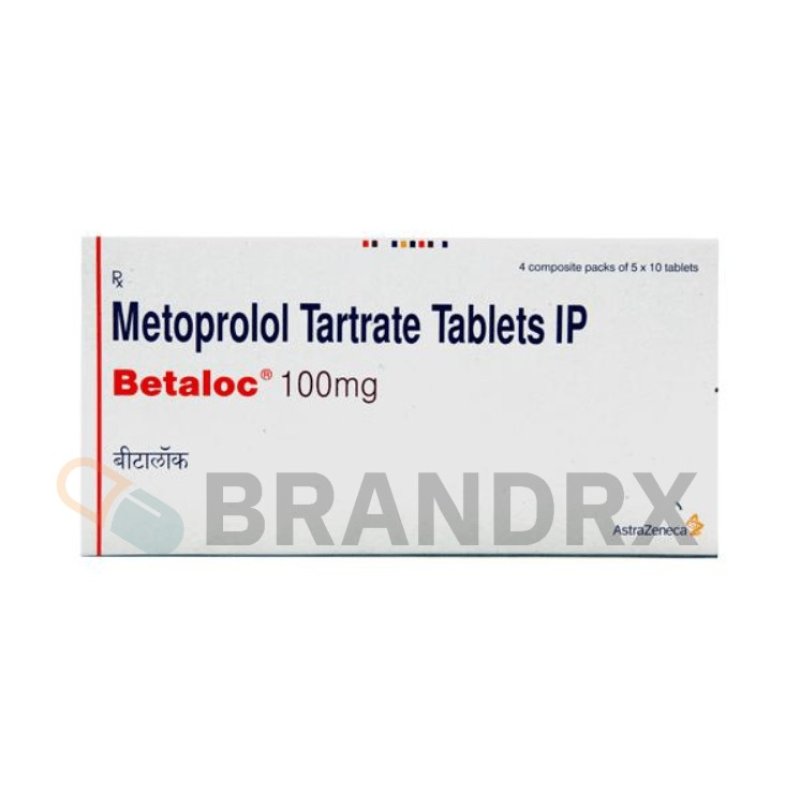
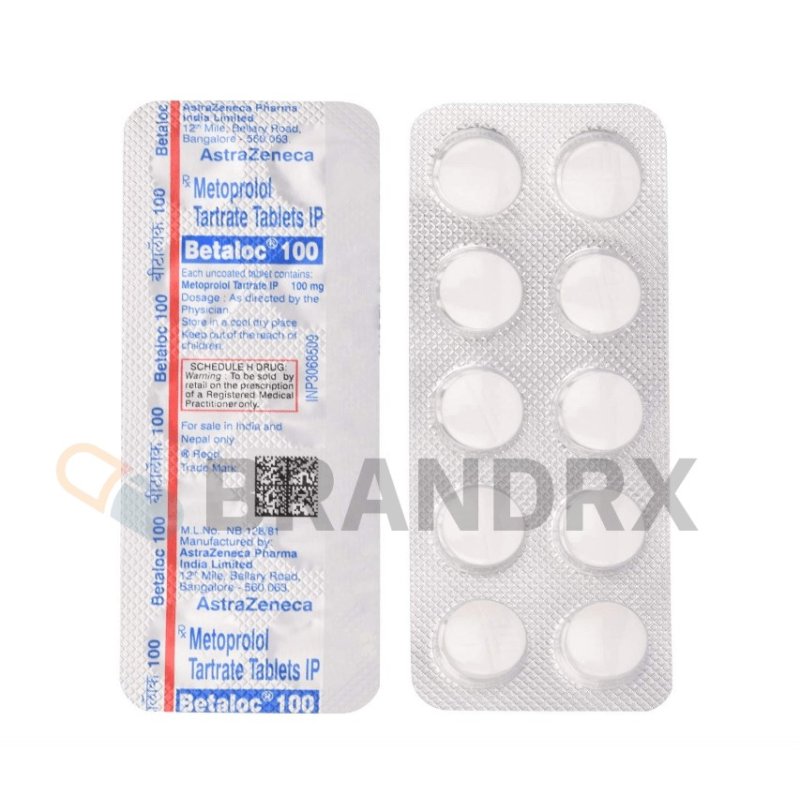
Understanding Betaloc 100 mg AstraZeneca
Betaloc 100 mg AstraZeneca is a medication primarily used to manage various cardiovascular conditions. It contains the active ingredient metoprolol, a selective beta-1 adrenergic blocker. The main principle of its operation is to block the action of certain natural chemicals in the body, particularly epinephrine (adrenaline). By doing so, Betaloc effectively reduces heart rate, blood pressure, and the workload on the heart. This mechanism makes it especially beneficial for individuals suffering from hypertension, angina, or those who have experienced a heart attack. Key features of Betaloc include its ability to provide controlled heart rate reduction and its potential to improve heart function over time.
Forms and Types of Release
Betaloc is available in various formulations to suit different patient needs. The primary forms of release include immediate-release and extended-release tablets. The immediate-release form is typically used for quick onset of action, making it ideal for managing acute conditions or during episodes of increased heart rate. The extended-release form, on the other hand, is designed for sustained action throughout the day, offering convenience for patients requiring long-term management. These different forms ensure that patients can find a suitable option based on how their condition is monitored and managed.
Why Choose Betaloc 100 mg AstraZeneca
What sets Betaloc 100 mg AstraZeneca apart from similar medications is its selective action on beta-1 receptors, which primarily affect the heart. Unlike non-selective beta blockers, which can cause side effects related to other body systems, Betaloc focuses specifically on controlling cardiac function. This targeted approach often results in fewer side effects and makes it a preferable choice for many patients. Furthermore, long-term data supporting its efficacy and safety profile means that users can trust its benefits when adhering to prescribed regimens. For anyone looking to manage their cardiovascular health more effectively, Betaloc provides a reliable option.
Long-term Effects and Contraindications
The long-term use of Betaloc 100 mg AstraZeneca shows promising prospects in managing heart conditions. Regular intake can lead to improved cardiovascular outcomes, such as decreased incidence of heart failure and lower risk of subsequent heart attacks. However, there are certain contraindications to consider. Betaloc is generally not recommended for individuals with severe bradycardia, significant heart block without a pacemaker, or those with certain respiratory conditions like asthma due to the risk of exacerbating these issues. Additionally, its use in pregnant and breastfeeding women should be approached with caution, and pediatric usage is also limited. It is essential for patients to consult health care professionals to evaluate their specific circumstances before beginning treatment.
Practical Advice for Using Betaloc 100 mg AstraZeneca
When starting the use of Betaloc 100 mg AstraZeneca, patients should follow a few practical guidelines to maximize the benefits while minimizing risks. Firstly, it is crucial to adhere to the prescribed dosage and schedule, as missing doses can lead to destabilization of the condition being treated. Patients should also monitor their heart rate and blood pressure regularly, reporting any significant changes or side effects to their healthcare provider. Additionally, lifestyle modifications such as maintaining a heart-healthy diet, engaging in regular physical activity, and managing stress can enhance the efficacy of Betaloc. Consulting with a healthcare professional before making any changes is advisable, especially when considering interactions with other medications. This structured approach can help individuals achieve better health outcomes over time.
| Features | |
| Active substance | Metoprolol |
| Also known as | Lopressor |
| Blood pressure | Reduces blood pressure |
| Chemical name | (RS)-1-(Isopropylamino)-3-[4-(2-methoxyethyl)phenoxy]propan-2-ol |
| Dosage (medical) | Typically 25-100 mg per day in divided doses |
| Dosage (sports) | Not applicable as it is not typically used for performance enhancement |
| Effects | Reduces cardiac output, controls arrhythmias, decreases blood pressure |
| Formula | C15H25NO3 |
| Half-life | 3 to 7 hours |
| Hepatotoxicity | Low |
| Lab Test | Blood levels can be monitored though not routinely done |
| Main action | Decreases heart rate and blood pressure |
| Side effects | Dizziness, fatigue, depression, shortness of breath, cold extremities |
| Storage conditions | Store at room temperature, away from moisture and heat |
| Strength | 100mg |
| Substance class | Beta blocker |
| Trade name | Lopressor, Toprol-XL |
| Use in sports | Not commonly used, except possibly to control heart rate and anxiety in precision sports |
| Water Retention | Low |
| Manufacturer | AstraZeneca Pharma Ltd. |
| Packing | 10 tabs/blister |