
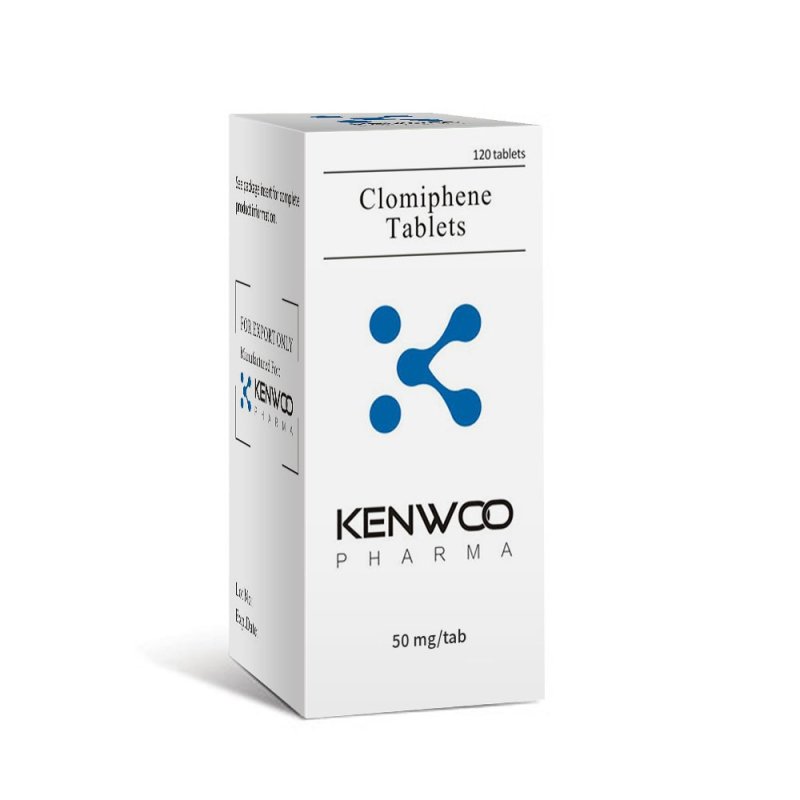
Define Clomiphene Pharmaceutical and explain its general purpose
Clomiphene Pharmaceutical refers to a medication commonly used in fertility treatments, particularly for women experiencing ovulatory dysfunction. The drug functions as a selective estrogen receptor modulator (SERM), which means that it can both mimic and block estrogen's effects in different tissues. This property allows Clomiphene to stimulate gonadotropin secretion, leading to the maturation and release of eggs from the ovaries. Its primary purpose is to induce ovulation in those who have difficulty conceiving due to irregular or absent ovulation.
Approved by the U.S. Food and Drug Administration (FDA), Clomiphene is often the first line of treatment for women diagnosed with anovulatory infertility. It is also utilized in certain cases for male infertility, although its primary indication remains in female patients. The availability of Clomiphene in both branded and generic forms provides broader access to individuals seeking to address fertility issues. Its cost-effectiveness compared to advanced assisted reproductive technologies presents it as an attractive option for many couples looking to conceive.
Describe how Clomiphene Pharmaceutical fits into broader treatment strategies or usage approaches
Clomiphene Pharmaceutical plays a crucial role in a spectrum of fertility treatments, making it a key component of many reproductive health plans. Its inclusion often follows a thorough assessment of fertility challenges faced by individuals or couples. The treatment strategy typically begins with a complete evaluation that may include hormone level assessments, imaging of the ovaries, and a review of medical history to determine whether Clomiphene is an appropriate choice.
In practice, Clomiphene is frequently part of a multi-faceted approach that may involve lifestyle modifications, counseling, or additional medical interventions such as intrauterine insemination (IUI) or in vitro fertilization (IVF). While focused primarily on stimulating ovulation, healthcare providers often use Clomiphene in combination with other medications to optimize chances of conception. This collaborative approach enables practitioners to tailor treatments to individual needs, potentially enhancing overall success rates in achieving pregnancy.
Explain the advantages users typically expect from this preparation
Users of Clomiphene Pharmaceutical generally expect a variety of advantages that are beneficial in the context of fertility treatments. Here are some key benefits associated with its use:
- Ovulation Induction: Clomiphene effectively induces ovulation in women who have irregular ovulation or do not ovulate at all, increasing the chances of conception.
- Cost-Effectiveness: Compared to more invasive procedures like IVF, Clomiphene is significantly more affordable, making it accessible for a wider range of patients.
- Ease of Use: The oral administration of Clomiphene simplifies treatment regimens, as patients do not require injections or complex procedures.
- Established Efficacy: Clomiphene has been extensively studied and used for decades, demonstrating a well-documented track record of success in ovulation induction.
- Minimal Monitoring: Many patients can be monitored with simple blood tests and ultrasounds rather than requiring inpatient visits, making it more convenient for users.
Discuss risks, precautions, and contraindications for use of this preparation
While Clomiphene Pharmaceutical offers various benefits, it is essential for potential users to be aware of certain risks and precautions associated with its use. Common side effects may include hot flashes, mood swings, breast tenderness, nausea, and headaches. In rare cases, users may experience more severe consequences like ovarian hyperstimulation syndrome (OHSS), which can lead to serious complications.
Clomiphene is contraindicated in women who are already pregnant or have existing liver disease. It should not be used in individuals with uncontrolled thyroid or adrenal dysfunction, or those who suffer from abnormal uterine bleeding. Additionally, patients with known hypersensitivity to Clomiphene or any component of its formulation should avoid this medication. Close monitoring during treatment is crucial, especially for individuals with a history of thromboembolic disorders, as Clomiphene may increase the risk of such events.
Conclude with guidance on how users should approach understanding and using Clomiphene Pharmaceutical responsibly
Understanding how to use Clomiphene Pharmaceutical responsibly involves a collaborative approach with healthcare professionals. Prospective users should engage in open discussions with their reproductive endocrinologist or healthcare provider to fully comprehend the implications of using the medication, including acknowledging the advantages and potential risks.
Education about the medication should extend beyond just its operational mechanics to encompass preparation for possible side effects and the importance of adhering to prescribed dosages. Patients should also stay informed about their menstrual cycles and respond promptly to any unusual symptoms, as early detection of complications can mitigate risks.
Ultimately, Clomiphene Pharmaceutical can be an effective component of a fertility treatment plan when used appropriately. By maintaining informed communication with healthcare providers and actively participating in treatment decisions, individuals can optimize their chances of achieving successful outcomes while prioritizing their health and well-being. Through careful management and responsible usage, Clomiphene can serve as a pivotal tool in the journey toward conception.
| Features | |
| Also known as | Clomifene Citrate, Clomid, Serophene |
| Blood pressure | Generally does not affect blood pressure significantly |
| Chemical name | 2-[4-(2-chloro-1,2-diphenylethenyl)phenoxy]-N,N-diethylethanamine citrate |
| Dosage (medical) | Typically, 50 mg daily for 5 days at the beginning of the menstrual cycle |
| Dosage (sports) | Commonly 25-50 mg per day during or at the end of a steroid cycle |
| Effects | Induces ovulation, increases gonadotropin levels, raises serum testosterone levels |
| Formula | C26H28ClNOв€™C6H8O7 |
| Half-life | 5-7 days |
| Hepatotoxicity | Low, rare hepatic metabolism related side effects |
| Lab Test | Can be detected in blood tests |
| Main action | Induces ovulation by inhibiting negative feedback on the hypothalamus, increasing release of pituitary gonadotropins |
| Side effects | Hot flashes, abdominal discomfort, visual disturbances, nausea, and headaches |
| Storage conditions | Store at room temperature away from moisture and heat |
| Substance class | Selective Estrogen Receptor Modulator (SERM) |
| Trade name | Clomid, Serophene |
| Use in sports | Used to restore the natural production of testosterone and minimize the effects of estrogen in the body after the use of anabolic steroids |
| Water Retention | No significant water retention |
| Manufacturer | Pharmaceutical |