
Dytor 100 mg Cipla: Characteristics and Mechanism of Action
Dytor 100 mg Cipla is a medication formulated to effectively address fluid retention and hypertension. As a diuretic, it works by promoting the elimination of excess sodium and water from the body through increased urine production. The active ingredient in Dytor is torasemide, which belongs to a class of drugs known as loop diuretics. By inhibiting the sodium-potassium-chloride co-transporter in the ascending loop of Henle within the kidneys, Dytor reduces the reabsorption of these electrolytes, leading to diuresis. This process helps lower blood pressure and alleviates conditions such as edema, making Dytor a vital option for patients dealing with fluid overload due to heart failure or other medical issues.
Available Forms and Presentation of Dytor
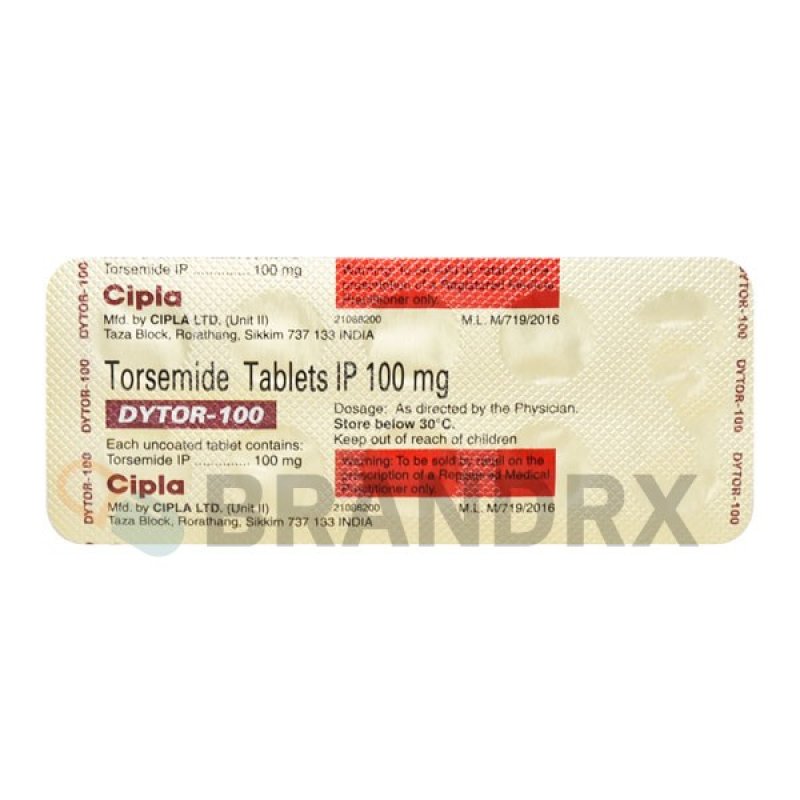
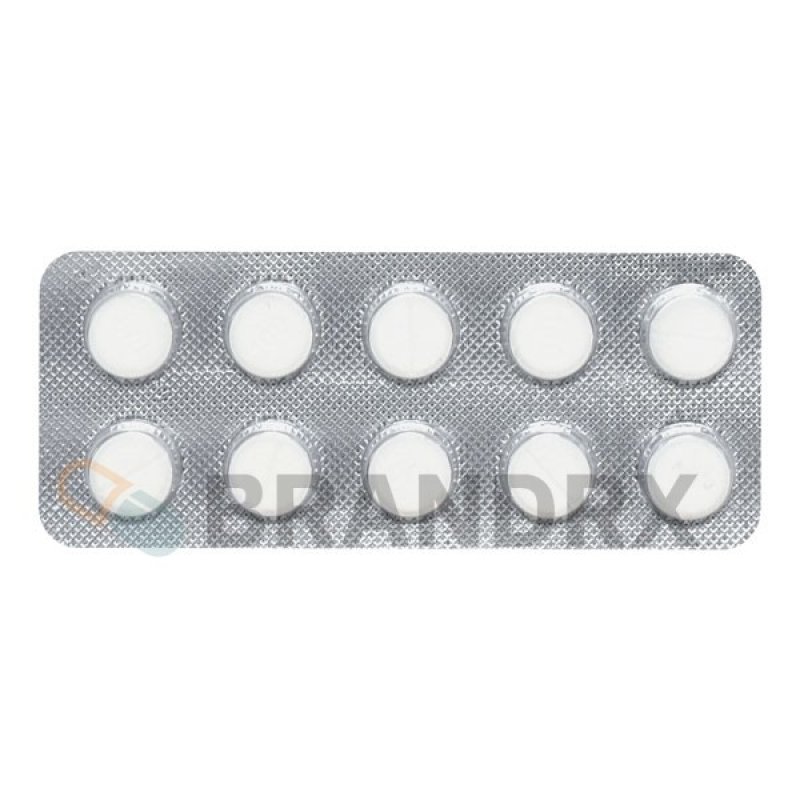
Dytor 100 mg Cipla is primarily available in tablet form, which is designed for oral administration. Each tablet contains 100 mg of torasemide, and the medication may be prescribed in various regimens depending on the severity of the condition being treated. The tablets are typically round, film-coated, and should be swallowed whole with water to ensure optimal absorption. It is crucial for patients to adhere to the prescribed dosage and to follow their healthcare provider’s instructions closely. This form of presentation enables patients to take Dytor conveniently at home, ensuring adherence to their treatment plans.
Comparative Advantages of Dytor 100 mg Cipla
Unlike other diuretics, Dytor 100 mg Cipla stands out due to its potent action and improved tolerability. Many patients transitioning from alternative diuretic therapies to Dytor notice faster results in managing fluid retention and blood pressure. One of the key differences is its longer duration of action, which can lead to fewer dosing requirements for patients compared to thiazide diuretics or other loop diuretics. The unique profile of Dytor also means that it can be more effective in patients who do not respond well to other diuretic medications. Additionally, Dytor provides the benefit of a more manageable side effect profile, which encourages better adherence to therapy. This makes Dytor a compelling option for individuals seeking effective yet tolerable treatment for their condition.
Long-Term Use Considerations and Contraindications
When considering long-term use of Dytor 100 mg Cipla, it is essential to assess individual patient circumstances. Long-term therapy can be beneficial for patients with chronic conditions but is not without its own risks. Regular monitoring of kidney function and electrolytes is critical to avoid potential complications such as hypokalemia, dehydrating effects, or electrolyte imbalances. Certain populations should exercise caution or avoid Dytor entirely. Pregnant women, nursing mothers, and children may not be suitable candidates for this medication without careful consideration and consultation with a healthcare provider. Additionally, individuals with severe renal impairment, certain heart conditions, or those allergic to torasemide should refrain from using Dytor. Awareness of these contraindications is necessary to ensure safe and effective treatment outcomes.
Practical Advice for Starting Dytor 100 mg Cipla
When starting Dytor 100 mg Cipla, it is crucial to consult with a healthcare professional to determine the appropriate dosage and treatment plan based on individual health needs. Patients should clearly communicate their medical history, including any current medications, allergies, and underlying health conditions, to help determine the suitability of Dytor. It is also important to follow dosing instructions precisely, as improper use may lead to adverse effects or reduced efficacy. Patients should be advised to stay hydrated and monitor for any unusual symptoms such as dizziness, rapid heart rate, or excessive thirst. Regular follow-up appointments will help ensure that the treatment remains effective and any potential side effects are appropriately managed. By following these guidelines, individuals can maximize the benefits of Dytor 100 mg Cipla in managing their health effectively.
| Features | |
| Active substance | Torsemide |
| Also known as | Torsemide |
| Blood pressure | Lowers blood pressure |
| Chemical name | Torasemide |
| Dosage (medical) | Typically 5-20 mg once daily for hypertension, 10-200 mg once daily for edema |
| Dosage (sports) | Not applicable |
| Effects | Increases urine production, decreases fluid retention, lowers blood pressure |
| Formula | C16H20N4O3S |
| Half-life | 3.5 hours (oral), 3.5-4 hours (IV) |
| Hepatotoxicity | Low risk |
| Lab Test | Plasma or urine levels can be measured |
| Main action | Inhibits the Na+/K+/2Cl- symporter in the thick ascending limb of the loop of Henle |
| Side effects | Dehydration, electrolyte imbalance (including hypokalemia), hypotension, dizziness, headache, nausea |
| Storage conditions | Store at room temperature, protect from moisture and light |
| Strength | 100mg |
| Substance class | Loop diuretic |
| Trade name | Demadex |
| Use in sports | Not typically used in sports, potential for abuse in weight-class sports to decrease weight through rapid dehydration |
| Water Retention | Reduces water retention |
| Manufacturer | Cipla Ltd. |
| Packing | 10 tabs/blister |