
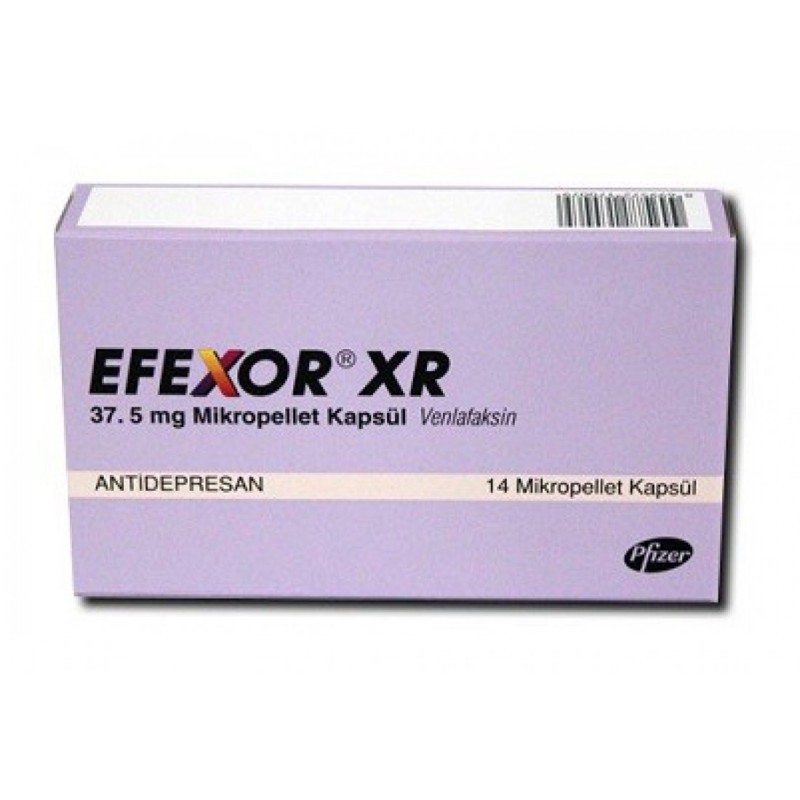
Understanding Efexor XR 37.5 mg Pfizer
Efexor XR 37.5 mg, a prescription medication manufactured by Pfizer, is designed primarily for individuals seeking relief from major depressive disorder, generalized anxiety disorder, social anxiety disorder, and panic disorder. Many users hope to alleviate symptoms of anxiety and depression, aiming for improved daily functioning, enhanced mood, and better overall mental health. It is important to note that while Efexor XR offers promising results for many, users often have common misunderstandings regarding its effectiveness and potential side effects. Some may mistakenly believe that it works instantly, while others may underestimate the importance of adhering to prescribed dosages. Understanding the medication, its intended uses, and realistic expectations is crucial for navigating treatment effectively.
How Efexor XR Works in the Body
Efexor XR is classified as a serotonin-norepinephrine reuptake inhibitor (SNRI). This means it works by increasing levels of both serotonin and norepinephrine, neurotransmitters that play essential roles in regulating mood, anxiety, and overall emotional balance. By inhibiting the reuptake of these neurotransmitters, Efexor XR promotes a higher concentration of serotonin and norepinephrine in the synaptic cleft, which can improve mood and reduce anxiety symptoms. Key parameters that influence the drug's effectiveness include the individual's unique biochemistry, the specific mental health condition being treated, and the presence of any coexisting health issues. It is critical for users to remain patient during their treatment journey, as it may take several weeks of consistent use before significant improvements are noticed.
Limitations and Need for Professional Guidance
While Efexor XR has shown efficacy for many individuals living with mood and anxiety disorders, it does come with certain limitations and contraindications. Patients may experience side effects ranging from mild to severe, including nausea, dizziness, dry mouth, and changes in libido. Those with a history of bipolar disorder or a previous reaction to SNRIs should approach this medication with caution. Furthermore, withdrawing from Efexor XR can lead to withdrawal symptoms, making it crucial for users to consult healthcare professionals regarding any changes in dosage or if adverse effects occur. Professional evaluation ensures that Efexor XR is the right fit for the individual’s specific health profile and minimizes potential risks associated with its use.
Exploring the Features of Efexor XR
This medication is available in extended-release formulations, specifically designed to facilitate once-daily dosing, enhancing convenience and adherence. Users can find valuable information about the medication, including its composition, dosage recommendations, potential interactions with other drugs, and the best practices for its use. It is essential for potential users to familiarize themselves with the necessary precautions and to be aware of the signs that may indicate the need for medical reevaluation. As each individual's response to medication can differ, maintaining open communication with healthcare providers remains essential to optimize treatment and address any emerging concerns.
Final Thoughts on Efexor XR 37.5 mg Pfizer
For anyone considering Efexor XR 37.5 mg Pfizer, understanding what this medication entails is fundamental to experiencing its potential benefits fully. Achieving the best outcomes often relies heavily on realistic expectations and proactive engagement with healthcare providers. Knowing how the medication works, its limitations, and understanding the importance of regular consultations can empower users in their mental health journey. For those interested in learning more, the product page contains comprehensive information and resources that may assist in understanding the medication better. By taking steps to educate themselves and staying connected with their healthcare team, individuals can navigate the complexities of treatment more confidently.
| Features | |
| Acne | No |
| Active substance | Venlafaxine |
| Also known as | Venlafaxine XR, Effexor |
| Aromatization | No |
| Blood pressure | Can increase blood pressure, monitoring recommended in cases of high doses or pre-existing hypertension |
| Chemical name | 1-[2-(dimethylamino)-1-(4-methoxyphenyl)ethyl]cyclohexanol |
| Classification | Antidepresant |
| Dosage (medical) | Typically starts at 37.5 mg per day, can be increased up to 225 mg per day depending on the condition and patient response |
| Dosage (sports) | Not applicable |
| Effects | Antidepressant, anti-anxiety, mood stabilizer |
| Formula | C17H27NO2 |
| Half-life | Approximately 5 hours (venlafaxine), 11 hours (active metabolite desvenlafaxine) |
| HBR | No |
| Hepatotoxicity | No |
| Lab Test | Not specifically monitored with lab tests, though liver enzymes may be checked periodically |
| Main action | Increases neurotransmitters serotonin and norepinephrine in the brain |
| Side effects | Nausea, dizziness, dry mouth, insomnia, loss of appetite, increased sweating, sexual dysfunction |
| Storage conditions | Store at room temperature, away from moisture and heat |
| Substance class | Serotonin-norepinephrine reuptake inhibitor (SNRI) |
| Trade name | Effexor, Effexor XR |
| Use in sports | None, not typically used in sports |
| WAREHOUSE | International Warehouse 2 |
| Water Retention | No |
| Manufacturer | Pfizer |