
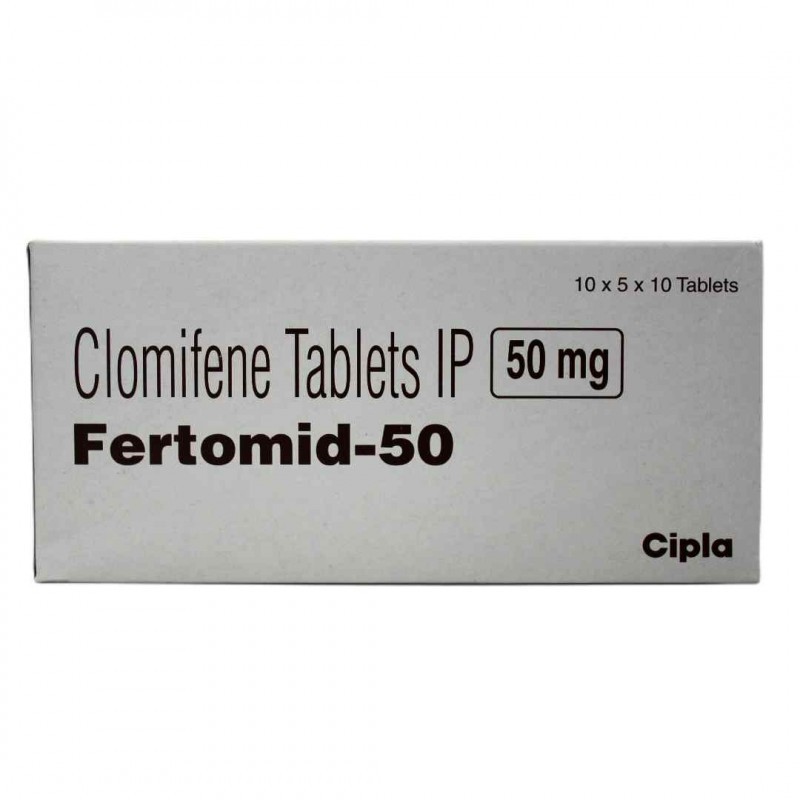
What Defines Fertomid 50 mg Cipla
Fertomid 50 mg Cipla is a crucial medication primarily aimed at addressing fertility issues. This drug contains Clomiphene Citrate, which plays a significant role in stimulating ovulation in women who have irregular or absent menstrual cycles. One of its main principles of operation is to encourage the release of hormones necessary for ovulation, such as Follicle Stimulating Hormone (FSH) and Luteinizing Hormone (LH). By blocking estrogen receptors in the hypothalamus, Fertomid 50 mg Cipla tricks the body into believing that estrogen levels are lower than they are, prompting the release of these critical hormones.
Key features of Fertomid 50 mg Cipla include its ability to regulate and facilitate the natural ovulation process, making it a pivotal option for women struggling with fertility. Additionally, it often comes with manageable side effects that are generally well-tolerated, making it an appealing choice for users seeking to conceive. Its affordability and efficacy further enhance its status as a prominent remedy in the domain of fertility treatments.
Types and Forms of Release
Fertomid 50 mg Cipla is primarily available in tablet form, which simplifies the administration process for users. This dosage form allows for precise control over the amount of medication taken, vital for optimizing treatment outcomes. Typically, the medication is prescribed to be taken for a specific number of days during the menstrual cycle, often starting on the fifth day after menstruation begins. The standard dosing regimen may vary based on individual circumstances, but it commonly commences with one tablet daily.
In some cases, healthcare providers may recommend adjustments to the dosage based on the patient's response to treatment. However, it is essential to follow the prescribed dosing schedule to ensure the best chances of achieving successful ovulation. While Fertomid is predominantly known for its tablet form, it is crucial for users to consult with their healthcare provider regarding any alternative forms or dosages that might be suitable for their unique situations.
The Main Differences from Other Substances
One of the defining aspects of Fertomid 50 mg Cipla is its unique mechanism that distinguishes it from other fertility medications. Unlike injectable hormones or other oral medications that aim to influence the reproductive system, Fertomid focuses on enhancing the body's natural hormonal production. This approach tends to yield fewer side effects and results in a more balanced hormonal response, making it a preferable choice for many women. It also stands out due to its ease of use and compatibility with a range of fertility treatments.
Users considering Fertomid 50 mg Cipla will find it beneficial to note its effectiveness in cases of Polycystic Ovary Syndrome (PCOS), a common factor in female infertility. Many other medications may target specific aspects of ovulation induction but may not be as comprehensive in their approach. This versatility makes Fertomid an attractive option for women facing various fertility challenges. Those who have previously used other medications may appreciate Fertomid’s unique properties, which can provide an alternative pathway to achieving successful conception.
Long-Term Effects and Suitability
The long-term effects of using Fertomid 50 mg Cipla can be quite positive for those looking to enhance their fertility. Many women report successful pregnancies following a course of treatment with this medication. However, it is essential to consider certain contraindications before starting treatment. Fertomid is not suitable for pregnant women or those who may become pregnant during the treatment period, as it can lead to complications. It is also contraindicated for individuals with liver disease, uncontrolled adrenal or thyroid disorders, or any active ovarian cysts. Moreover, it is not typically recommended for children.
Patients with a history of hypersensitivity to Clomiphene Citrate or similar compounds should also avoid its use. For women seeking to use Fertomid 50 mg Cipla, thorough consultation with a healthcare provider is vital to ensure it aligns with their health profile and fertility goals.
Practical Advice on Starting Fertomid 50 mg Cipla
Before beginning treatment with Fertomid 50 mg Cipla, it is essential to have a detailed conversation with a healthcare provider to establish a suitable treatment plan. Discussing medical history, current health status, and any previous fertility treatments can provide valuable information for your healthcare professional. They can offer insights into the expected outcomes, possible side effects, and the importance of adhering to the prescribed dosage.
When starting with Fertomid, users should maintain an open line of communication with their doctor, reporting any side effects or concerns that arise during treatment. It is also helpful to track menstrual cycles and ovulation patterns to evaluate the medication's effectiveness. Regular follow-up appointments may be necessary to monitor progress and adjust treatment as needed.
Ultimately, Fertomid 50 mg Cipla represents a powerful option for women looking to enhance their fertility and achieve successful conception. With the right guidance and a well-structured treatment plan, many users have experienced positive outcomes and fulfilling journeys toward parenthood.
| Features | |
| Active substance | Clomiphene Citrate |
| Also known as | Clomifene Citrate, Clomid, Serophene |
| Blood pressure | Generally does not affect blood pressure significantly |
| Chemical name | 2-[4-(2-chloro-1,2-diphenylethenyl)phenoxy]-N,N-diethylethanamine citrate |
| Classification | Selective Estrogen Receptor Modulator |
| Dosage (medical) | Typically, 50 mg daily for 5 days at the beginning of the menstrual cycle |
| Dosage (sports) | Commonly 25-50 mg per day during or at the end of a steroid cycle |
| Effects | Induces ovulation, increases gonadotropin levels, raises serum testosterone levels |
| Formula | C26H28ClNOв€™C6H8O7 |
| Half-life | 5-7 days |
| Hepatotoxicity | Low, rare hepatic metabolism related side effects |
| Lab Test | Can be detected in blood tests |
| Main action | Induces ovulation by inhibiting negative feedback on the hypothalamus, increasing release of pituitary gonadotropins |
| Side effects | Hot flashes, abdominal discomfort, visual disturbances, nausea, and headaches |
| Storage conditions | Store at room temperature away from moisture and heat |
| Substance class | Selective Estrogen Receptor Modulator (SERM) |
| Trade name | Clomid, Serophene |
| Use in sports | Used to restore the natural production of testosterone and minimize the effects of estrogen in the body after the use of anabolic steroids |
| WAREHOUSE | International Warehouse 1 |
| Water Retention | No significant water retention |
| Manufacturer | Cipla |