
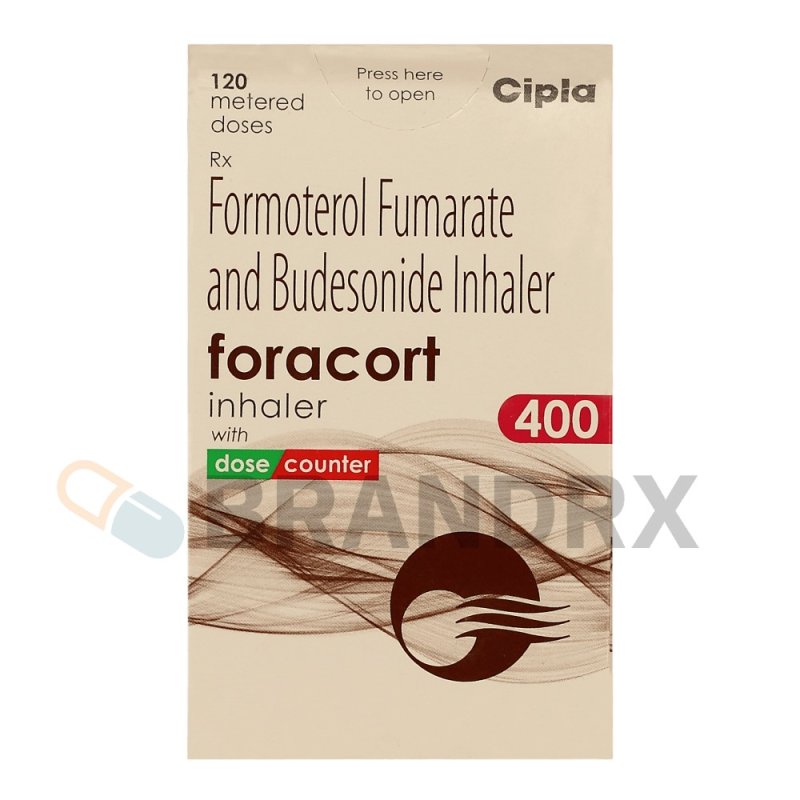
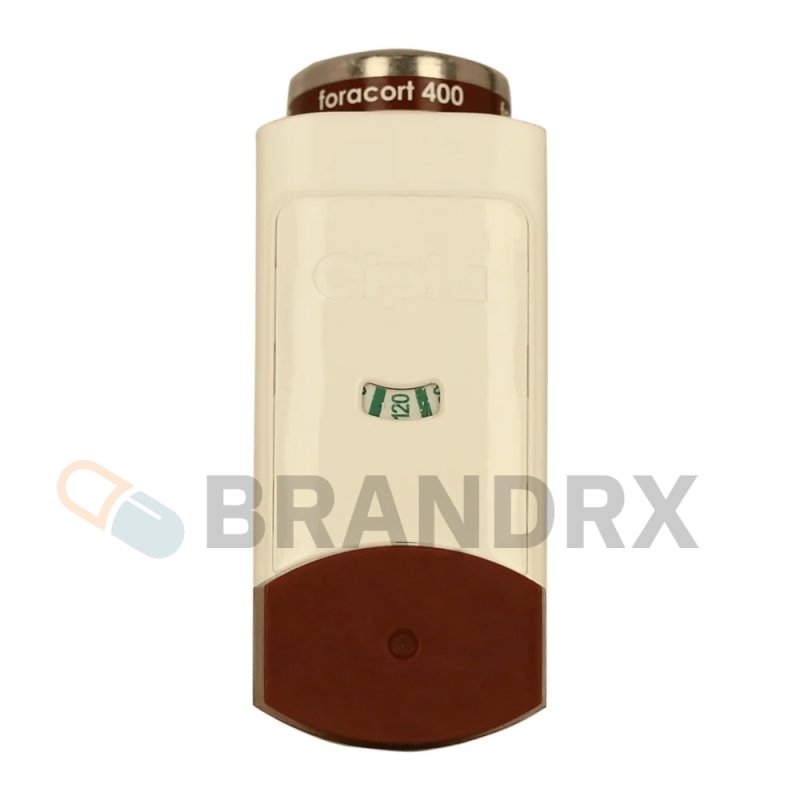
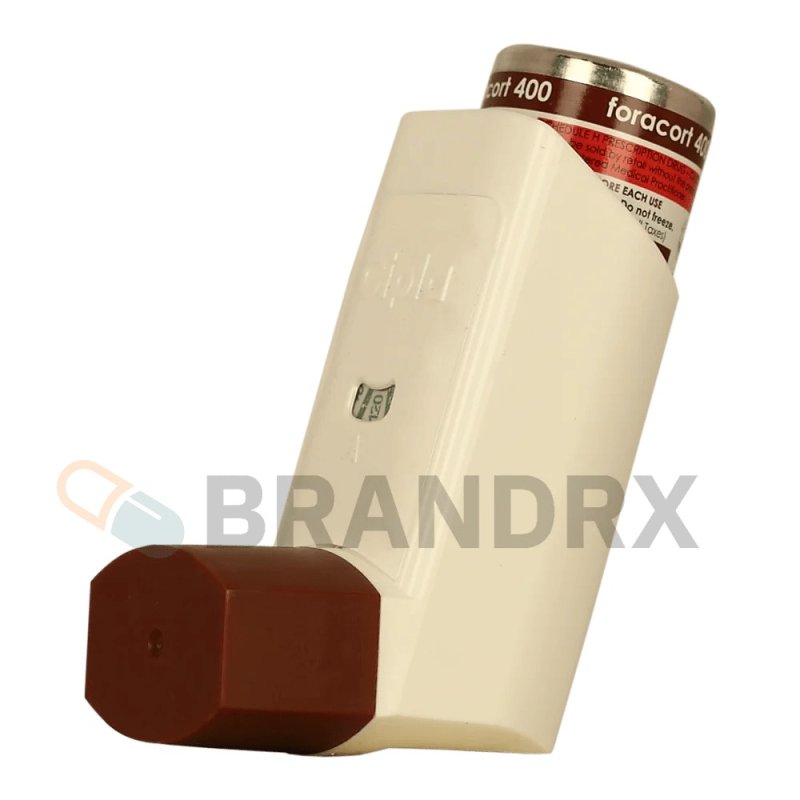
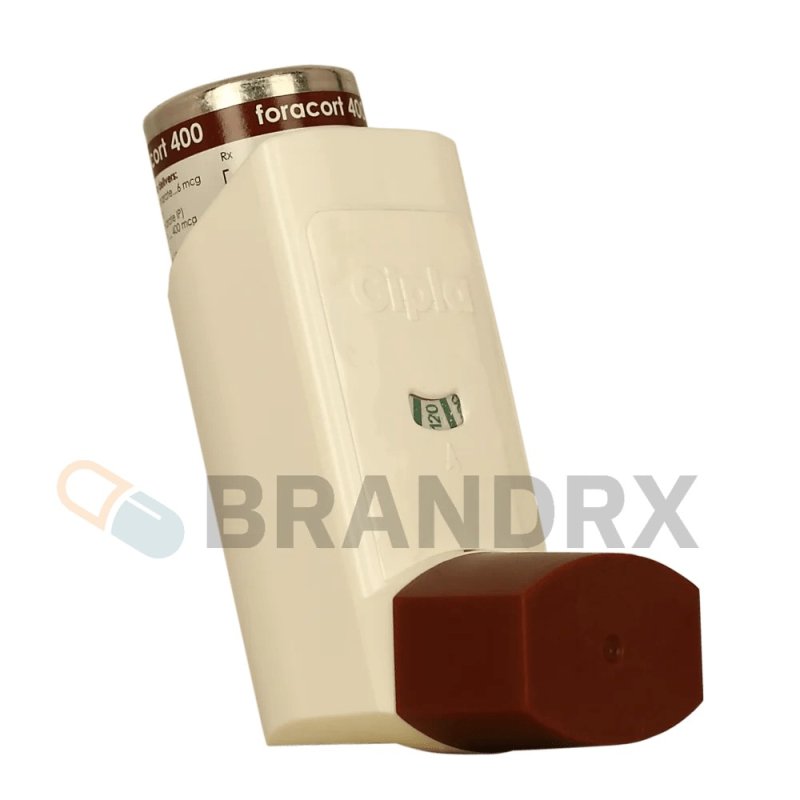
Define Foracort Inhaler 120 MD 400 mcg Cipla and Explain Its General Purpose
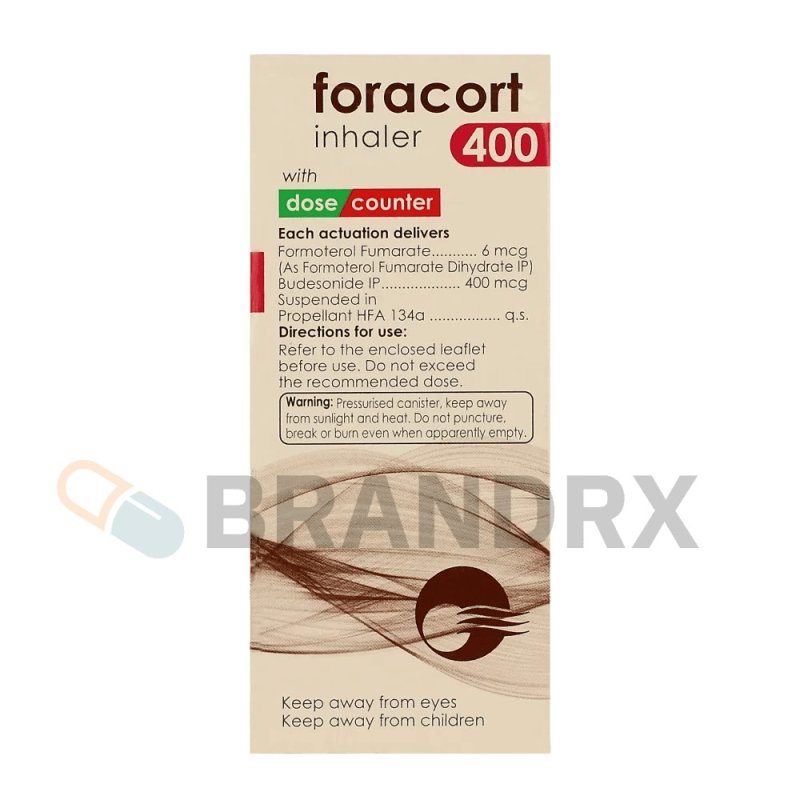
The Foracort Inhaler 120 MD 400 mcg Cipla is a prescription medication designed primarily for patients suffering from respiratory conditions such as asthma and chronic obstructive pulmonary disease (COPD). It contains two key active ingredients: Budesonide and Formoterol. Budesonide is a corticosteroid, which helps to reduce inflammation in the airways, while Formoterol is a long-acting beta-agonist (LABA) that assists in relaxation and dilation of the bronchial passages. This combination targets both the inflammation and obstruction associated with these conditions, allowing for improved airflow and respiratory function.
The inhaler is formulated to deliver a specific dose of medication directly to the lungs, which enhances its effectiveness by minimizing systemic exposure and potential side effects. The therapeutic aims of Foracort are varied, including the prevention of asthma attacks, reduction of frequency and severity of exacerbations, and improving overall lung function in patients with chronic respiratory diseases.
How Foracort Inhaler 120 MD 400 mcg Cipla Fits into Broader Treatment Strategies or Usage Approaches
In the context of managing chronic respiratory conditions, the Foracort Inhaler 120 MD 400 mcg Cipla is an integral part of a comprehensive treatment strategy. It is often utilized alongside other medications and lifestyle modifications aimed at achieving optimal control of symptoms. Patients may be advised to employ a combination of controllers and relievers; where Foracort serves as a controller medication. Controller medications like Foracort are used regularly to prevent symptoms, while reliever medications are utilized on an as-needed basis to address acute symptoms.
Moreover, the use of Foracort may be strategically integrated with non-pharmacological approaches that comprise patient education, smoking cessation programs, and lifestyle changes. Regular monitoring and individual adjustments to the treatment plan are essential components of successful management. Healthcare providers typically assess the patient's condition, response to treatment, and any side effects to ensure that the Foracort Inhaler continues to meet the therapeutic goals and contributes positively to overall health management.
Advantages Users Typically Expect from This Preparation
For patients using the Foracort Inhaler 120 MD 400 mcg Cipla, there are several key advantages that they typically anticipate from this inhalation therapy. These advantages include:
Effective Symptom Control: Patients experience reduced frequency and severity of asthma attacks and COPD exacerbations.
Rapid Relief: The combination of Budesonide and Formoterol can offer quick relief from acute symptoms while also working on long-term management.
Improved Lung Function: Regular use can lead to noticeable improvement in measures of lung function, enhancing quality of life.
Reduced Need for Rescue Inhalers: Many users find that their reliance on short-acting bronchodilators decreases as Foracort manages their symptoms effectively.
Dose Convenience: The inhaler is designed for easy delivery of medication, requiring only minimal inhalation effort to administer the dosage.
Discuss Risks, Precautions, and Contraindications for Use of This Preparation
While the Foracort Inhaler provides notable benefits, it is essential for users to be aware of potential risks, precautions, and contraindications associated with its use. Patients should not use this inhaler if they have a known hypersensitivity to Budesonide, Formoterol, or any other component of the formulation. Furthermore, individuals with certain medical conditions, such as severe asthma not well-controlled by inhaled medications or specific cardiovascular issues, should approach the use of this inhaler with caution and under close supervision of a healthcare provider.
Pregnant or breastfeeding women are advised to consult with healthcare professionals before starting therapy with Foracort, as its components may have implications on fetal or infant health. Additionally, users are advised to avoid the use of the inhaler for immediate relief of acute asthma symptoms, as it is not meant to replace rescue inhalers during sudden episodes of breathlessness.
Patients should also be aware of the possible side effects of Foracort, which can include oral thrush, hoarseness, headache, and increased heart rate. Regular medical follow-ups are crucial to ensure that patients remain aware of any changes in their health status and to monitor for any adverse effects that may arise as a consequence of medication use.
Conclude with Guidance on How Users Should Approach Understanding and Using Foracort Inhaler 120 MD 400 mcg Cipla Responsibly
Understanding how to responsibly use the Foracort Inhaler 120 MD 400 mcg Cipla is vital for achieving the intended therapeutic outcomes. Patients should prioritize education regarding their condition and how Foracort fits within their broader management plan. This includes adhering to prescribed dosages, being mindful of the timing of usage, and maintaining an open line of communication with healthcare providers. Patients should be proactive in reporting any side effects or changes in their symptoms, allowing for timely adjustments to their treatment regimen.
In summary, the Foracort Inhaler 120 MD 400 mcg Cipla is a powerful resource in the management of asthma and COPD, empowering patients to breathe easier when used correctly. Developing a thorough understanding of the medication, its purpose, advantages, and potential risks enables users to make informed decisions that support their long-term respiratory health. Responsible use of this inhaler, alongside other treatment strategies, can significantly improve quality of life for individuals living with chronic respiratory conditions.
| Features | |
| Active substance | Budesonide, Formoterol |
| Also known as | Budesonida, Budesonidum |
| Blood pressure | Typically does not affect blood pressure |
| Chemical name | (RS)-11ОІ,16О±,17,21-Tetrahydroxypregna-1,4-diene-3,20-dione cyclic 16,17-acetal with butyraldehyde |
| Dosage (medical) | Varies based on treatment type, commonly inhaled 100-800 mcg daily in divided doses for asthma |
| Dosage (sports) | Not typically used for performance enhancement |
| Effects | Reduces inflammation and immune response |
| Formula | C25H34O6 |
| Half-life | 2 to 3.6 hours |
| Hepatotoxicity | Low |
| Lab Test | Specific tests for monitoring budesonide levels are not commonly used in clinical practice |
| Main action | Anti-inflammatory |
| Side effects | Oral thrush, voice changes, cough, sore throat, and, with long-term use, adrenal suppression |
| Storage conditions | Store at 20В°C to 25В°C (68В°F to 77В°F) |
| Strength | 400mcg |
| Substance class | Corticosteroid |
| Trade name | Pulmicort, Rhinocort, others |
| Use in sports | Not commonly used for enhancing athletic performance, but may be used therapeutically for asthma |
| Water Retention | Minimal |
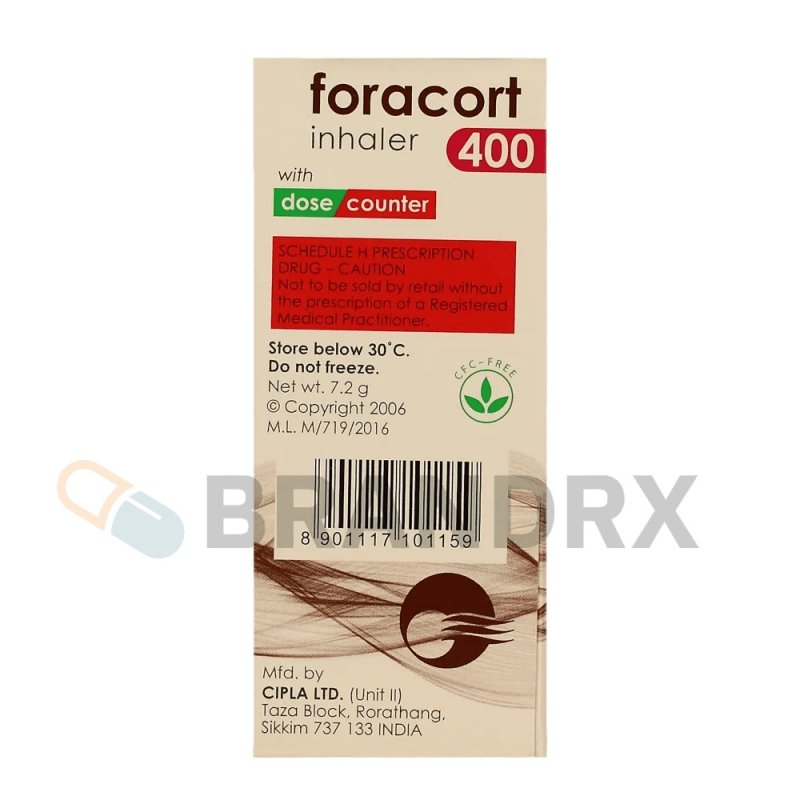
| Manufacturer | Cipla Ltd. |
| Packing | 1 Inhaler/pack |