
What Defines Isotroin 10 mg Cipla
Isotroin 10 mg Cipla is a medication primarily designed to combat severe acne and related skin conditions. The active ingredient in Isotroin is isotretinoin, a retinoid that exhibits profound effects on skin cellular processes. Isotretinoin works by reducing the size and activity of sebaceous glands, leading to decreased sebum production. This is crucial for those dealing with acne, as excessive oil production often contributes to pore blockages and inflammation. In addition to its oil-reducing capabilities, Isotroin also aids in the normalization of skin cell turnover, preventing the formation of new acne lesions. Users often appreciate Isotroin for its targeted approach, addressing the root causes of acne rather than merely alleviating symptoms.
Main Types of Release Forms
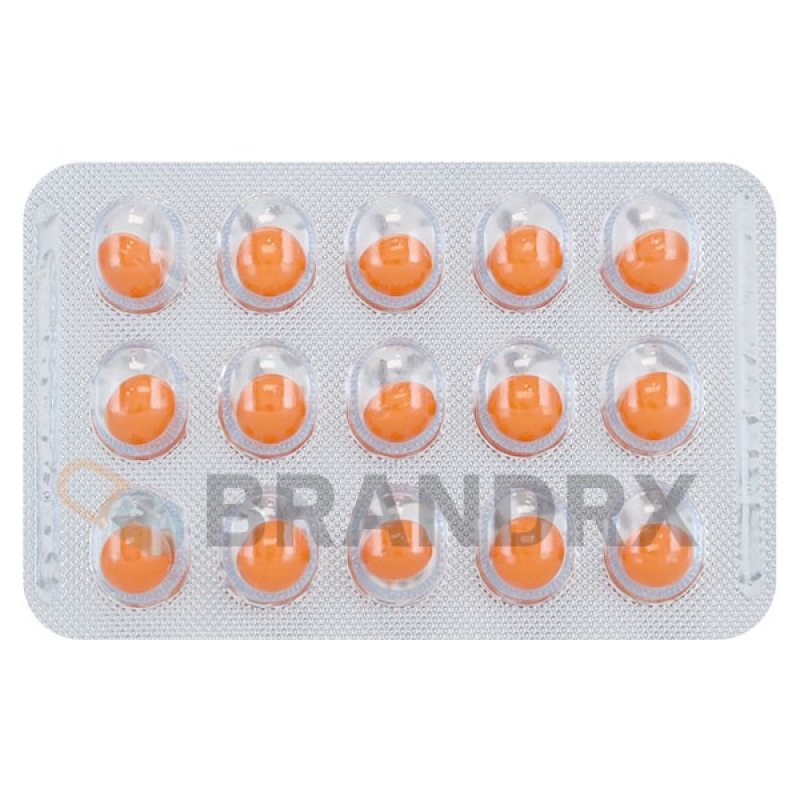
Isotroin 10 mg Cipla is typically available in capsule form, which is designed for oral ingestion. The capsules are offered in specific dosages, allowing for tailored treatment plans based on the severity of acne and individual patient needs. The 10 mg dosage is particularly notable because it provides a manageable starting point for individuals who may be sensitive to isotretinoin or are being cautiously introduced to this treatment. This variety in formulation ensures flexibility for healthcare providers to adjust treatment regimens based on patient response and tolerance, thus maximizing efficacy while minimizing potential side effects.
Main Differences from Other Substances
When comparing Isotroin 10 mg Cipla to other acne treatments, its unique mode of action becomes apparent. Unlike topical treatments that primarily focus on treating the surface of the skin, isotretinoin penetrates deeper into skin layers to target the glands responsible for oil production. Many conventional acne medications, such as antibiotics, aim to reduce bacteria and inflammation but may not address the underlying causes of acne, like excessive sebum production and abnormal skin cell shedding. This makes Isotroin a compelling choice for patients who have not responded to other treatments, particularly those with cystic acne or severe nodular acne. The long-lasting nature of the results achieved with Isotroin sets it apart, as many users experience prolonged relief from acne outbreaks even after discontinuing the medication.
Long-Term Effects and Contraindications
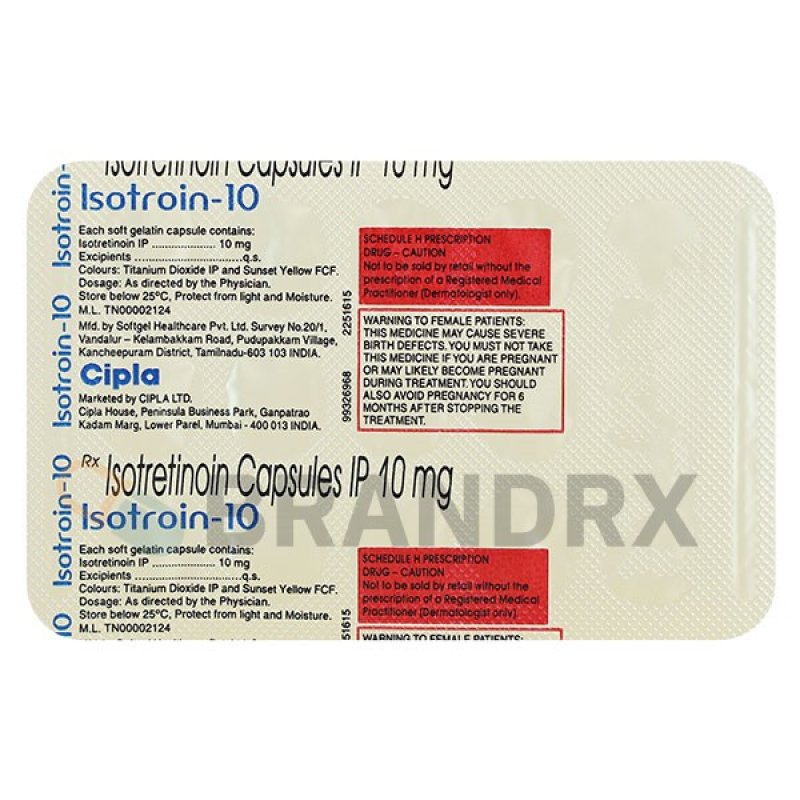
The long-term effects of Isotroin 10 mg Cipla can be significant, particularly for individuals who are seeking a lasting resolution to their acne issues. Most users report a notable decrease in the frequency and severity of acne lesions after completing a prescribed course. However, it is essential to note that Isotroin is not suitable for everyone. Contraindications include pregnant women, as isotretinoin can cause severe birth defects. Additionally, children and individuals with certain health conditions, such as liver disease, pancreatitis, and those with a history of alcohol abuse, should avoid using this medication. It is imperative to consult with a healthcare provider before starting treatment to ensure it is a safe and appropriate option based on individual health factors.
Practical Advice on Using Isotroin 10 mg Cipla
When considering Isotroin 10 mg Cipla, it is vital to approach usage with a well-structured plan. Consulting with a healthcare professional is the first step in tailoring a regimen that suits your specific needs. A common recommendation is to commence treatment at a lower dosage, gradually increasing it as tolerated, to mitigate potential side effects. Patients are also advised to stay well-hydrated and use adequate sun protection while on Isotroin, as the medication can increase sun sensitivity. Regular follow-up appointments with a dermatologist can provide ongoing assessment of progress and any necessary adjustments to the treatment plan. Additionally, being informed about potential side effects, such as dry skin, chapped lips, and mood changes, allows users to manage their experience more effectively. By taking these precautions into account, individuals can maximize the benefits of Isotroin while minimizing any risks associated with its use.
| Features | |
| Active substance | Isotretinoin |
| Also known as | Accutane |
| Blood pressure | No significant effect |
| Chemical name | (2Z,4E,6E,8E)-3,7-dimethyl-9-(2,6,6-trimethylcyclohexen-1-yl)nona-2,4,6,8-tetraenoic acid |
| Dosage (medical) | Typically 0.5 to 1 mg per kg of body weight per day, taken in two divided doses |
| Dosage (sports) | Not applicable |
| Effects | Reduces acne, decreases sebum production, promotes skin renewal |
| Formula | C20H28O2 |
| Half-life | 10-20 hours |
| Hepatotoxicity | Moderate, requires periodic liver function tests |
| Lab Test | Liver function tests, lipid profiles, pregnancy tests |
| Main action | Reduces sebum production, corrects abnormal keratinization, has anti-inflammatory properties |
| Side effects | Dry skin, lips and eyes, itching, nosebleeds, muscle aches, sensitivity to sunlight, decreased night vision, potentially severe birth defects if taken during pregnancy |
| Storage conditions | Store at controlled room temperature (15-30В°C), protect from light |
| Strength | 10mg |
| Substance class | Retinoid |
| Trade name | Accutane, Roaccutane, Claravis, others |
| Use in sports | None |
| Water Retention | No |
| Manufacturer | Cipla Ltd. |
| Packing | 15 caps/blister |