
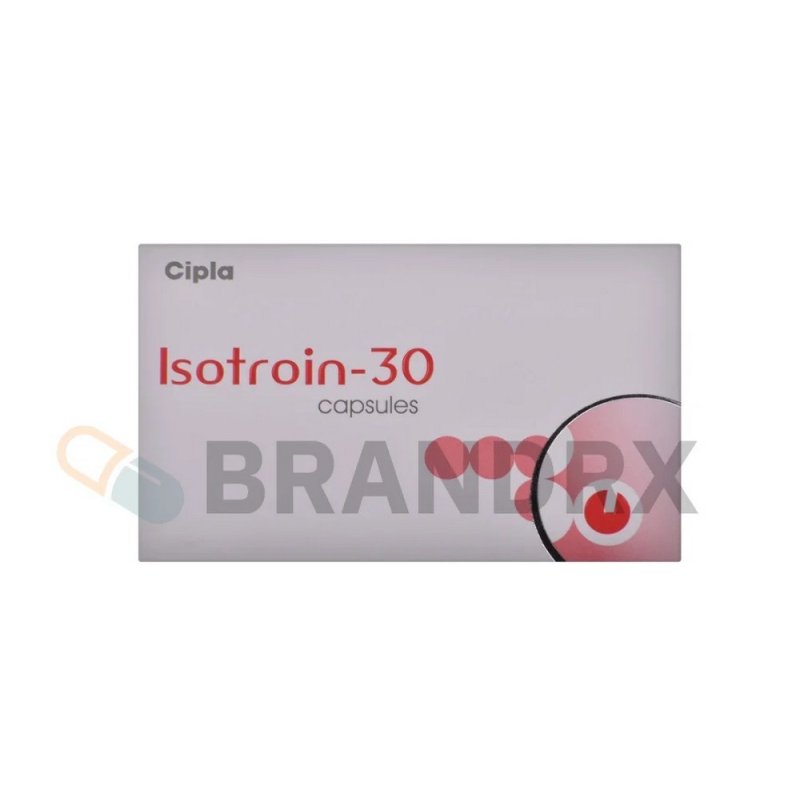
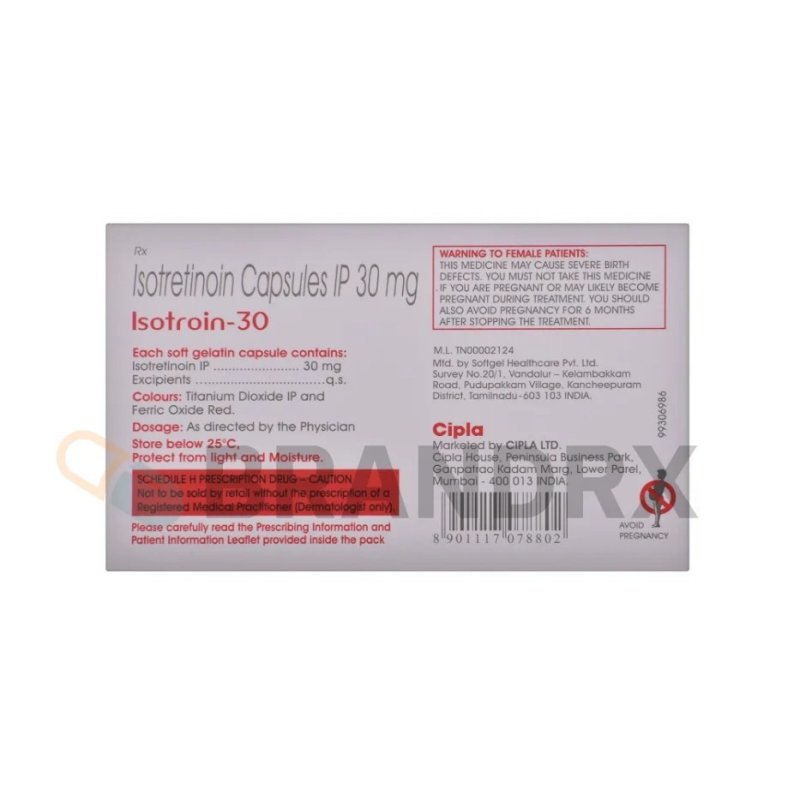
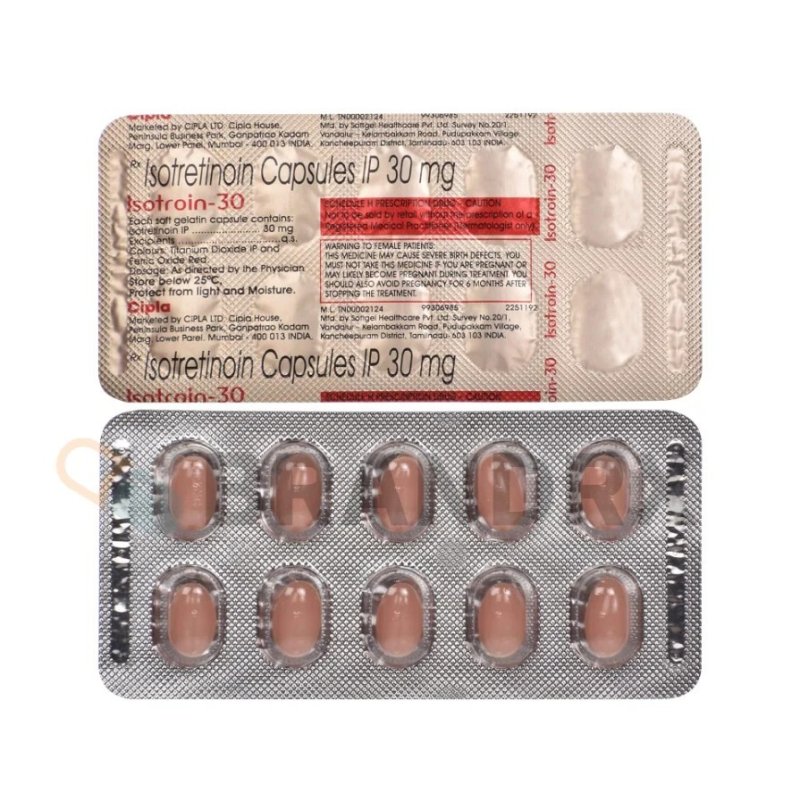
Understanding Isotroin 30 mg Cipla: Key Features and Mechanism of Action
Isotroin 30 mg Cipla is a medication primarily used in the treatment of severe acne, particularly nodular acne. This pharmaceutical is a brand of isotretinoin, a potent retinoid that works by significantly reducing the size and activity of sebaceous glands in the skin. Its primary mechanism involves decreasing oil production, leading to reduced blockage of hair follicles, which in turn minimizes the formation of acne. Additionally, isotretinoin exhibits anti-inflammatory properties, which help to alleviate the redness and swelling associated with acne outbreaks. This dual action of addressing both the causes and symptoms of acne makes Isotroin 30 mg Cipla a widely recognized and effective solution for individuals struggling with persistent and severe acne conditions.
Forms of Release and Administration
Isotroin 30 mg Cipla is typically available in capsule form, which allows for convenient oral administration. The capsules contain the isotretinoin compound in a specific dosage, making it easy for patients to incorporate into their daily routine. The versatility of this medication allows it to be used by a variety of patients, enabling tailored treatment plans that consider the severity of acne and individual response to the drug. Proper consumption as instructed is essential for maximizing the efficacy of the treatment and minimizing potential side effects.
Why Choose Isotroin 30 mg Cipla Over Other Acne Treatments?
What sets Isotroin 30 mg Cipla apart from other acne treatments, such as topical agents or antibiotics, is its efficacy in treating severe cases of acne that do not respond to other treatments. While topical treatments may provide surface-level relief, isotretinoin works from within to fundamentally alter the biology of the sebaceous glands. Moreover, unlike antibiotics, which can lead to resistance with prolonged use, isotretinoin has a unique mechanism that targets the root causes of acne. This makes Isotroin a more favorable option for long-term management in patients with resistant forms of acne or those who experience frequent relapses. For individuals looking for a robust solution to persistent acne, Isotroin 30 mg Cipla stands out due to its proven effectiveness and comprehensive approach.
Long-Term Effects and Precautions for Use
The long-term use of Isotroin 30 mg Cipla has been associated with sustained improvements in skin clarity and a significant reduction in acne lesions, making it a preferred choice for many dermatologists. However, it is crucial to note that this medication is not suitable for everyone. It is contraindicated in pregnant women due to the high risk of teratogenic effects, which can cause severe birth defects in the developing fetus. Additionally, individuals with certain health conditions such as liver disease, hyperlipidemia, or those with a history of mental health disorders should avoid this treatment. As with any powerful medication, potential side effects include dry skin, chapped lips, and mood changes, necessitating careful monitoring throughout the treatment process.
Practical Tips for Starting Isotroin 30 mg Cipla
When considering the initiation of Isotroin 30 mg Cipla, it is essential first to consult with a healthcare professional, typically a dermatologist, who can assess your specific situation and determine if this medication is right for you. Ensure you discuss your medical history and any medications you are currently taking to avoid any adverse interactions. If prescribed, it is important to adhere to the dosage instructions strictly, as consistent use is crucial for optimal results. Alongside the medication, incorporating a gentle skincare routine and moisturizing agents can help manage some of the common side effects associated with isotretinoin therapy. Lastly, regular follow-up appointments are advisable to monitor progress and make any necessary adjustments to the treatment plan, ensuring the best possible outcomes for the user.
| Features | |
| Active substance | Isotretinoin |
| Also known as | Accutane |
| Blood pressure | No significant effect |
| Chemical name | (2Z,4E,6E,8E)-3,7-dimethyl-9-(2,6,6-trimethylcyclohexen-1-yl)nona-2,4,6,8-tetraenoic acid |
| Dosage (medical) | Typically 0.5 to 1 mg per kg of body weight per day, taken in two divided doses |
| Dosage (sports) | Not applicable |
| Effects | Reduces acne, decreases sebum production, promotes skin renewal |
| Formula | C20H28O2 |
| Half-life | 10-20 hours |
| Hepatotoxicity | Moderate, requires periodic liver function tests |
| Lab Test | Liver function tests, lipid profiles, pregnancy tests |
| Main action | Reduces sebum production, corrects abnormal keratinization, has anti-inflammatory properties |
| Side effects | Dry skin, lips and eyes, itching, nosebleeds, muscle aches, sensitivity to sunlight, decreased night vision, potentially severe birth defects if taken during pregnancy |
| Storage conditions | Store at controlled room temperature (15-30В°C), protect from light |
| Strength | 30mg |
| Substance class | Retinoid |
| Trade name | Accutane, Roaccutane, Claravis, others |
| Use in sports | None |
| Water Retention | No |
| Manufacturer | Cipla Ltd. |
| Packing | 10 caps/blister |