
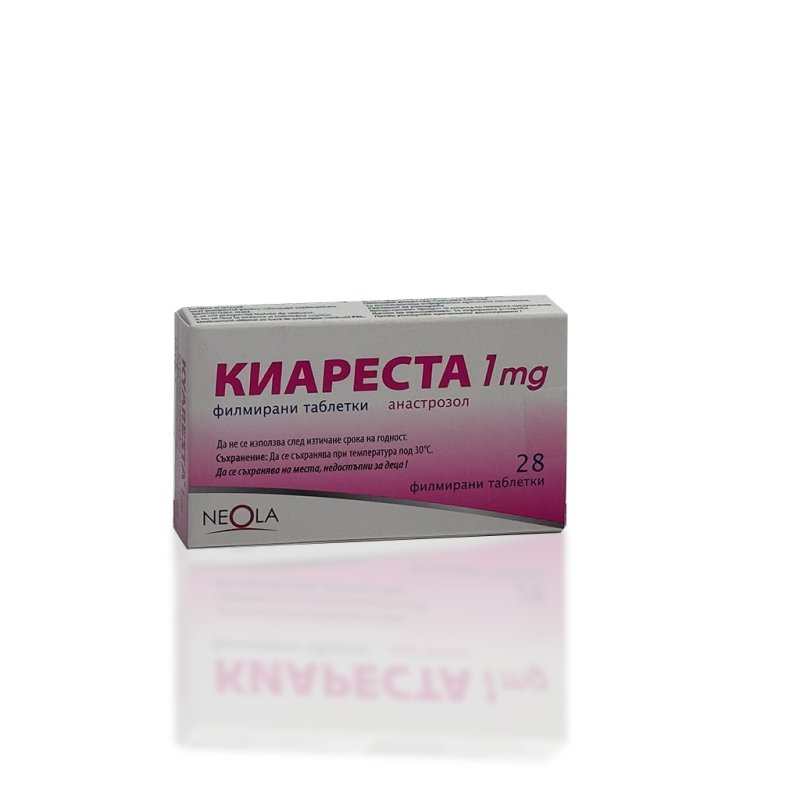
Kiaresta 1 mg Neola: An Overview of Its Purpose
Kiaresta 1 mg Neola is an innovative medication formulated to address specific medical conditions that affect a significant portion of the population. The primary purpose of Kiaresta 1 mg Neola is to provide therapeutic relief for patients experiencing symptoms associated with anxiety disorders and other related conditions. By targeting neurotransmitter pathways in the brain, this medication helps to restore balance and promote a sense of calmness and well-being.
The active ingredients in Kiaresta 1 mg Neola have been meticulously researched and selected to ensure efficacy in relieving anxiety without causing excessive sedation or impairing cognitive function. This makes Kiaresta 1 mg Neola a preferred choice among healthcare providers, particularly for individuals seeking a reliable treatment plan to manage their anxiety levels effectively.
In recent years, the emphasis on mental health awareness has led to a surge in demand for effective treatments like Kiaresta 1 mg Neola. With its focused approach and attention to patient safety, Kiaresta 1 mg Neola stands out as a potent option for those in need of support.
Typical Users and Contexts for Use
Kiaresta 1 mg Neola is most commonly prescribed to adults experiencing moderate to severe anxiety disorders, including generalized anxiety disorder (GAD), social anxiety disorder, and panic disorder. It is also suitable for patients who may have experienced inadequate relief from conventional anxiolytics or who have difficulty tolerating other medications due to side effects.
Students and professionals who face high-stress environments often find themselves in need of effective anxiety management solutions. Additionally, individuals recovering from trauma or dealing with chronic stress may be prescribed Kiaresta 1 mg Neola as part of a comprehensive treatment plan. Healthcare providers recommend this medication not only for its efficacy but also for its favorable side effect profile, which minimizes the risk of dependency compared to traditional benzodiazepines.
Kiaresta 1 mg Neola may be used in outpatient and inpatient settings, providing necessary support in situations that demand emotional regulation and mental clarity. It is crucial for users to follow medical advice when incorporating this medication into their treatment regimen to achieve optimal results.
Strengths and Distinguishing Characteristics of Kiaresta 1 mg Neola
When comparing Kiaresta 1 mg Neola to other anxiolytic options available on the market, several distinguishing characteristics set it apart. First and foremost is its unique formulation that targets specific neurotransmitter systems without the risk of excessive drowsiness, enabling patients to maintain productivity in their daily lives.
Unlike traditional medications that may lead to tolerance over time, Kiaresta 1 mg Neola aims for sustained effectiveness, helping to alleviate anxiety symptoms without the risk of withdrawal or rebound effects. This is especially beneficial for patients who require long-term management of their anxiety disorders.
Additionally, Kiaresta 1 mg Neola has demonstrated a favorable safety profile through extensive clinical trials, with a lower incidence of side effects commonly associated with other anxiety treatments. This attribute makes it a suitable choice for patients who may have had adverse reactions to previous medications.
Benefits of Kiaresta 1 mg Neola
The benefits of Kiaresta 1 mg Neola encompass a variety of aspects that contribute to its status as a trusted anxiety management treatment. The following are some key advantages of this medication:
- Effective anxiety relief: Kiaresta 1 mg Neola is designed to alleviate the symptoms of anxiety disorders quickly and efficiently, promoting a sense of calm.
- Improved mental clarity: Unlike sedating medications, Kiaresta 1 mg Neola allows users to maintain focus and concentration, essential for daily activities.
- Lower risk of side effects: The favorable safety profile of Kiaresta 1 mg Neola minimizes the likelihood of common side effects associated with traditional anxiolytics.
- Sustained therapeutic effects: Patients can expect consistent relief from anxiety symptoms, contributing to enhanced quality of life over time.
- Flexibility in prescribing: Healthcare providers often consider Kiaresta 1 mg Neola for patients with different levels of anxiety severity, providing an adaptable treatment option.
Overall, Kiaresta 1 mg Neola presents numerous advantages that accommodate the individual needs of patients and ensure that anxiety management is both effective and manageable.
Important Considerations Before Using Kiaresta 1 mg Neola
While Kiaresta 1 mg Neola offers substantial benefits, it is essential for potential users to be aware of important considerations prior to incorporating this medication into their treatment plan. Consultation with a healthcare professional is crucial to ensure the safe and effective use of Kiaresta 1 mg Neola.
Key contraindications include:
- Known hypersensitivity: Individuals who have previously experienced allergic reactions to any component of Kiaresta 1 mg Neola should avoid its use.
- Severe hepatic impairment: Patients with liver dysfunction may require an alternative treatment, as Kiaresta 1 mg Neola may not be metabolized correctly.
- Concurrent use of specific medications: Caution should be exercised for individuals taking medications that may interact with Kiaresta 1 mg Neola, particularly other CNS depressants.
- Pregnancy and breastfeeding: Women who are pregnant or nursing must discuss potential risks and benefits with their healthcare provider before starting Kiaresta 1 mg Neola.
Ultimately, understanding the potential contraindications and engaging in open communication with a healthcare provider is vital to realize the full benefits of Kiaresta 1 mg Neola while minimizing risks associated with its use.
| Features | |
| Active substance | Anastrozol |
| Also known as | Anastrol, Anastrozolo |
| Blood pressure | Can cause changes in blood pressure, monitor regularly |
| Chemical name | 2,2'-(5-(1H-1,2,4-triazol-1-ylmethyl)-1,3-phenylene)bis(2-methylpropanenitrile) |
| Dosage (medical) | 1 mg once daily |
| Dosage (sports) | Not officially recommended, varies widely, typically 0.5 mg to 1 mg every other day |
| Effects | Reduces estrogen levels, increases testosterone levels |
| Formula | C17H19N5 |
| Half-life | 46.8 hours |
| Hepatotoxicity | Low, rare cases of liver enzyme elevations |
| Lab Test | Monitors estrogen levels and liver function |
| Main action | Inhibits enzyme aromatase, reducing estrogen production |
| Side effects | Hot flashes, joint stiffness or pain, weakness, sore throat, depression, nausea, and vomiting |
| Storage conditions | Store at room temperature away from moisture and heat |
| Substance class | Aromatase inhibitor |
| Trade name | Arimidex |
| Use in sports | Used to control estrogen levels and prevent gynecomastia in anabolic steroid users |
| Water Retention | Reduces water retention |
| Active ingredient, mg | 1 |
| Release form | Pills |
| 1 Pill, mg | 1 |
| Manufacturer | Neola |
| Packing | Package (28 Pills) |