
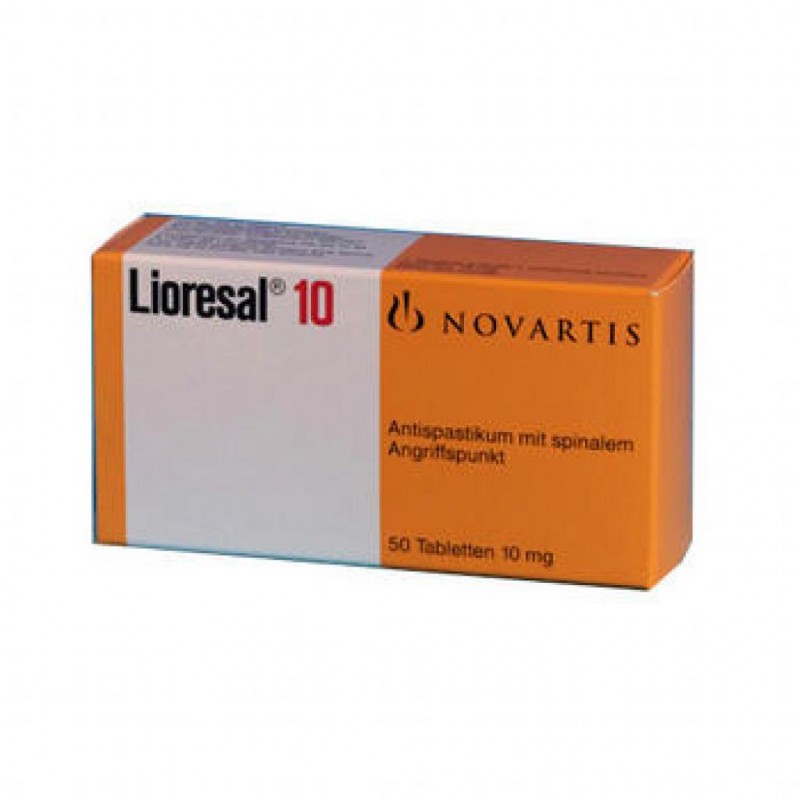
Lioresal 10 Novartis: Understanding Its Role in Muscle Relaxation
Lioresal 10 Novartis is a medication primarily used for its muscle relaxant properties. The active ingredient in Lioresal is Baclofen, which acts on the central nervous system to relieve muscle spasticity associated with conditions such as multiple sclerosis, spinal cord injuries, and other neurological disorders. By targeting specific neurotransmitter receptors in the brain, Lioresal effectively reduces muscle tension, allowing for increased mobility and comfort in patients suffering from debilitating muscle stiffness. The medication works by mimicking the effects of gamma-aminobutyric acid (GABA), a naturally occurring substance in the body that inhibits nerve transmission in the brain, leading to a calming effect on spasticity.
Forms of Release for Effective Administration
Lioresal 10 Novartis is available in several formulations to cater to different patient needs. The most common form is the oral tablet, which makes it easy for patients to take at home. These tablets are typically offered in various strengths, allowing for tailored dosages according to the severity of the condition being treated. Additionally, Lioresal may also be administered via an intrathecal pump, especially in cases where oral medications are insufficient. This method delivers Baclofen directly into the spinal fluid, enabling a more concentrated effect with potentially fewer side effects. Each of these forms is designed to provide flexibility and suitability for patients, ensuring effective management of muscle spasticity.
Lioresal 10 Novartis vs. Other Muscle Relaxants
What sets Lioresal 10 Novartis apart from other muscle relaxants is its specific action on GABA receptors, leading to a unique therapeutic profile. Unlike many other muscle relaxants that may cause sedation, Baclofen allows for muscle relaxation without significant sedative effects, making it an ideal choice for individuals who need to maintain their daily activities. Furthermore, Lioresal tends to have a lower incidence of drug interactions compared to alternative medications in its class, providing a safer option for patients who are on multiple medications. Its targeted mechanism of action also offers the benefit of reducing muscle spasms while preserving muscle function, which is essential for rehabilitation and recovery.
Long-Term Effects and Considerations for Use
The long-term use of Lioresal 10 Novartis can lead to significant improvements in quality of life for individuals suffering from spasticity. Many patients experience decreased muscle tightness and increased functional mobility, which allows for a more active lifestyle. However, it is essential to understand that Lioresal is not suitable for everyone. Individuals with certain medical conditions such as severe renal impairment or a history of hypersensitivity to Baclofen should avoid this medication. Additionally, it is important for pregnant women, breastfeeding mothers, and children to consult healthcare professionals to assess risks versus benefits before initiating treatment with Lioresal. Long-term use may also require regular monitoring by a healthcare provider to adjust dosages and manage any potential side effects, which can include dizziness, weakness, or gastrointestinal disturbances.
Practical Guidance for Starting Lioresal 10 Novartis
When considering Lioresal 10 Novartis as part of a treatment plan, it is crucial to consult with a healthcare professional who can provide personalized recommendations based on individual health needs. Starting with a low dose is advisable to assess tolerance, with the option to gradually increase the dosage as needed and as directed by a medical professional. It is also important to follow a consistent schedule for taking the medication to maintain steady levels in the body. Patients should also be aware of potential side effects and report any unusual symptoms to their healthcare provider immediately. Keeping an open line of communication with medical professionals throughout the treatment process will ensure optimal results and patient satisfaction with Lioresal 10 Novartis.
| Features | |
| Active substance | Baclofen |
| Also known as | ОІ-(4-chlorophenyl) gamma-aminobutyric acid |
| Blood pressure | May cause hypotension |
| Chemical name | (RS)-4-amino-3-(4-chlorophenyl)butanoic acid |
| Dosage (medical) | Typically 15-80 mg per day in divided doses |
| Dosage (sports) | Not applicable |
| Effects | Muscle relaxation, decreased spasticity |
| Formula | C10H12ClNO2 |
| Half-life | 3.5 hours |
| Hepatotoxicity | Low risk |
| Lab Test | Not specific, may interact with renal function tests |
| Main action | GABA receptor agonist |
| Side effects | Drowsiness, fatigue, dizziness, confusion, nausea |
| Storage conditions | Store at room temperature, away from moisture and heat |
| Substance class | Gamma-aminobutyric acid (GABA) derivative |
| Trade name | Lioresal, Gablofen |
| Use in sports | Not typically used in sports |
| WAREHOUSE | International Warehouse 2 |
| Water Retention | Minimal |
| Manufacturer | Novartis |