
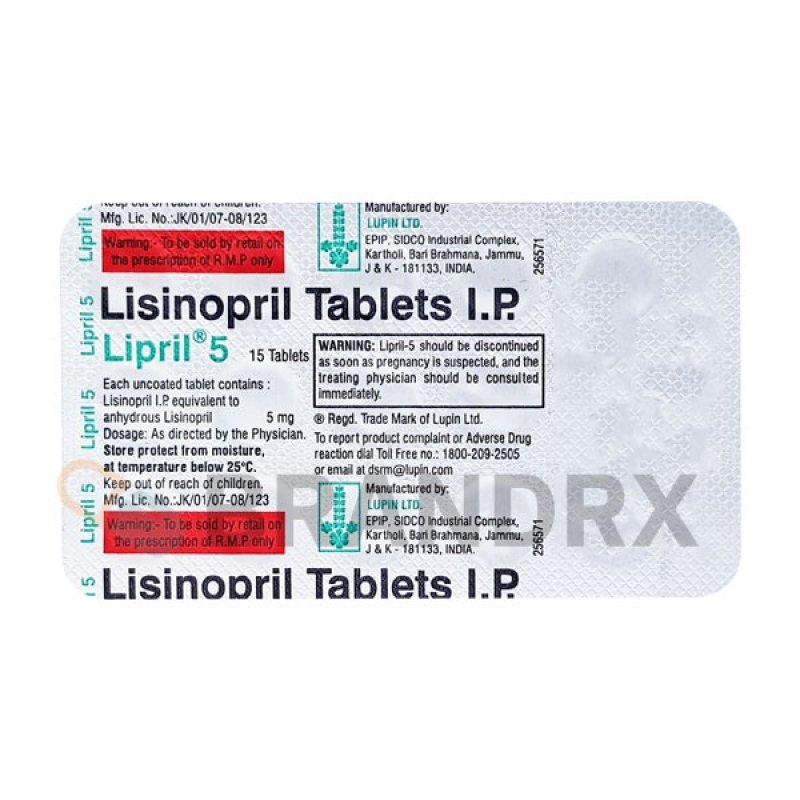
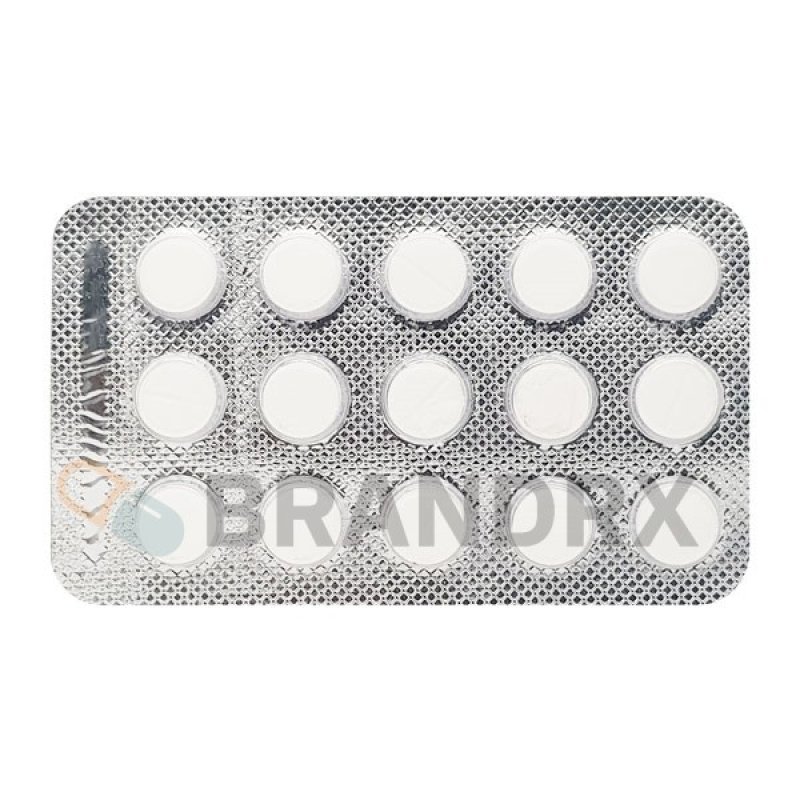
Define Lipril 5 mg Lupin and explain its general purpose
Lipril 5 mg Lupin is a pharmaceutical formulation primarily used in the management of hypertension and, in some cases, heart failure. The active ingredient in Lipril is lisinopril, an angiotensin-converting enzyme (ACE) inhibitor. ACE inhibitors work by blocking the conversion of angiotensin I to angiotensin II, a peptide that constricts blood vessels and raises blood pressure. By inhibiting this conversion, Lipril allows blood vessels to relax and widen, leading to a decrease in peripheral vascular resistance and, subsequently, lower blood pressure.
This medication is commonly prescribed for individuals with high blood pressure, providing a vital tool in the prevention of serious cardiovascular events such as heart attacks and strokes. Additionally, Lipril may be indicated for patients recovering from myocardial infarction or those with heart failure, further emphasizing its importance in cardiovascular health management.
Describe how Lipril 5 mg Lupin fits into broader treatment strategies or usage approaches
Within the larger framework of hypertension and heart failure management, Lipril 5 mg Lupin plays a critical role. The treatment of these conditions is often multi-faceted, requiring a combination of lifestyle modifications, dietary adjustments, and pharmacological interventions to achieve optimal outcomes.
In practice, Lipril may be used alone or in conjunction with other antihypertensive agents, including diuretics, calcium channel blockers, or beta-blockers. This combinatory approach allows healthcare providers to tailor treatment plans to each individual's specific needs and responses. For instance, in a patient who requires additional blood pressure control beyond monotherapy, Lipril may be paired with a diuretic, which helps the body eliminate excess sodium and fluid, further enhancing the lowering of blood pressure.
Moreover, the administration of Lipril is not merely focused on treating symptoms but also on addressing underlying causes of cardiovascular diseases. By managing hypertension effectively, Lipril contributes to reducing the workload on the heart and minimizing the risk of long-term damage associated with uncontrolled high blood pressure. This proactive strategy aligns with contemporary guidelines emphasizing the importance of early intervention and the comprehensive management of cardiovascular risk factors.
Explain the advantages users typically expect from this preparation
Users of Lipril 5 mg Lupin typically anticipate a range of advantages, which contribute to its popularity as a treatment option for hypertension and heart failure. Below is a list of key advantages:
Effective Blood Pressure Control: Lipril is well-documented for its efficacy in lowering blood pressure, making it a first-line option for many patients.
Heart Protection: Use of Lipril can help in preventing complications related to hypertension and heart failure, such as stroke and heart attack.
Tolerability: Many patients find Lipril to have a favorable side effect profile, allowing for straightforward integration into daily routines.
Improved Quality of Life: By effectively controlling blood pressure, users often experience an enhancement in overall well-being and daily functioning.
Convenient Dosing: Lipril is typically taken once daily, which improves adherence and simplifies medication management for patients.
Discuss risks, precautions, and contraindications for use of this preparation
Despite the advantages of Lipril 5 mg Lupin, it is important for users and healthcare providers to be aware of potential risks, precautions, and contraindications associated with its use. Some patients may experience side effects such as dizziness, fatigue, headache, or gastrointestinal disturbances, particularly during the initial stages of treatment or following dose adjustments. In rare cases, more severe side effects—such as angioedema (swelling of the deeper layers of the skin) or kidney impairment—may occur, necessitating immediate medical evaluation.
Certain populations may also be contraindicated from using Lipril. For instance, individuals with a history of angioedema related to previous ACE inhibitor therapy should avoid Lipril, as should those with a known hypersensitivity to lisinopril or any of the formulation's inactive ingredients. Caution is advised in patients with renal impairment or those who are pregnant or breastfeeding, given the potential risks to the fetus or infant.
Before starting Lipril, it is crucial to conduct a comprehensive medical assessment, allowing healthcare providers to determine any necessary precautions, such as monitoring serum potassium levels in patients who may be at risk of hyperkalemia.
Conclude with guidance on how users should approach understanding and using Lipril 5 mg Lupin responsibly
In conclusion, Lipril 5 mg Lupin remains an essential medication for managing conditions like hypertension and heart failure. However, users must approach its utilization responsibly to ensure optimal therapeutic outcomes. It is vital for patients to have open discussions with their healthcare providers regarding their medical history, current medications, and any relevant lifestyle factors that may influence treatment.
Pursuing an informed understanding of Lipril includes being aware of potential side effects, adhering closely to prescribed regimens, and attending regular follow-up appointments to assess effectiveness and adjust dosages as necessary. Patients should also be encouraged to engage in healthy lifestyle practices, such as maintaining a balanced diet low in sodium, exercising regularly, and mitigating stress, which complement the benefits provided by Lipril and enhance overall cardiovascular health.
By taking a proactive role in their treatment journey, users can achieve better health outcomes and significantly reduce the risks associated with hypertension and heart-related issues. Ultimately, while Lipril 5 mg Lupin is a powerful ally in the quest for better health, its most effective use hinges on personal responsibility and collaborative healthcare approaches.
| Features | |
| Active substance | Lisinopril |
| Also known as | Zestril |
| Blood pressure | Effectively lowers systolic and diastolic blood pressure |
| Chemical name | (2S)-1-[(2S)-6-amino-2-[[(1S)-1-carboxy-3-phenylpropyl]amino]hexanoyl]pyrrolidine-2-carboxylic acid |
| Dosage (medical) | Typically starts at 10 mg once daily, may increase to 20-40 mg daily based on response |
| Dosage (sports) | Not applicable as it is not used for performance enhancement |
| Effects | Reduces blood pressure, improves symptoms of heart failure |
| Formula | C21H31N3O5 |
| Half-life | Approximately 12 hours |
| Hepatotoxicity | Rare, but liver enzyme elevations could occur |
| Lab Test | Blood pressure monitoring, kidney function tests, and electrolyte levels |
| Main action | Lowers blood pressure by inhibiting the angiotensin-converting enzyme |
| Side effects | Cough, dizziness, headache, extreme low blood pressure, kidney dysfunction, hyperkalemia |
| Storage conditions | Store at room temperature, away from moisture and heat |
| Strength | 5mg |
| Substance class | ACE inhibitor |
| Trade name | Prinivil, Zestril |
| Use in sports | None, not a performance-enhancing drug |
| Water Retention | Unlike other blood pressure medications, it does not cause water retention |
| Manufacturer | Lupin Ltd. |
| Packing | 15 tabs/blister |