
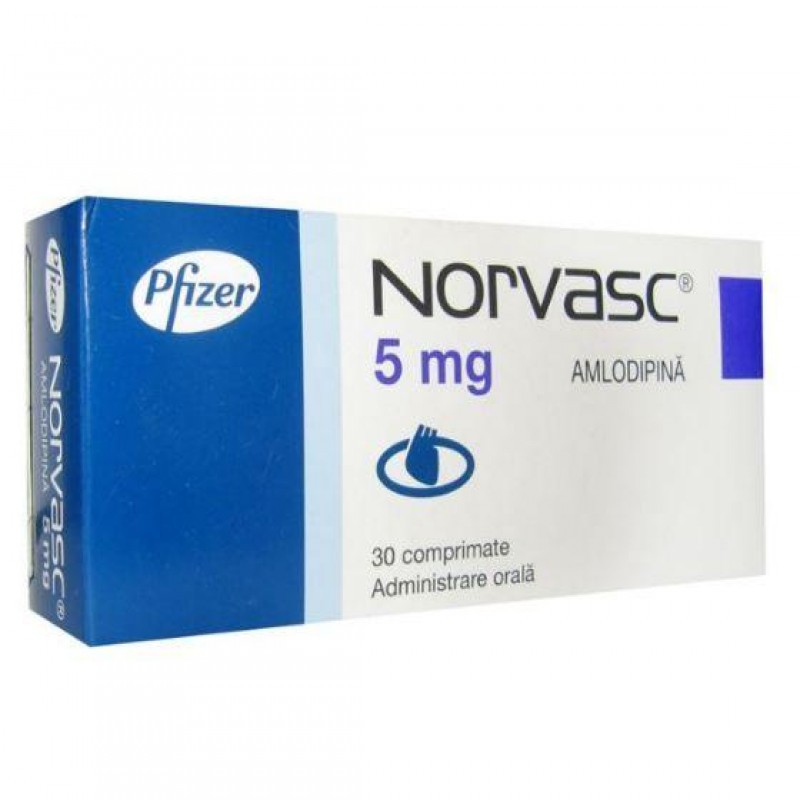
Understanding Norvasc 5 (30 pills) Pfizer
Norvasc 5 (30 pills) Pfizer is a powerful medication primarily used to treat hypertension (high blood pressure) and angina (chest pain). The active ingredient in Norvasc is amlodipine, which belongs to a class of drugs known as calcium channel blockers. These medications work by preventing calcium from entering the muscle cells of the heart and blood vessels, leading to relaxation of the blood vessels. This activity reduces the heart's workload and lowers blood pressure, ultimately enhancing blood flow and improving heart health.
The key features of Norvasc 5 include its once-daily dosing and its ability to begin working within a few hours after ingestion. Users often experience a significant reduction in blood pressure levels and reduced frequency of angina attacks. As a well-tolerated medication, Norvasc has made a considerable mark in the management of cardiovascular diseases, making it a staple in many treatment regimens.
Forms of Release for Norvasc
Norvasc is generally available in tablet form, with dosages primarily ranging from 2.5 mg to 10 mg. In this case, Norvasc 5 (30 pills) Pfizer provides a consistent and precise dose of 5 mg of amlodipine per tablet. This form allows for easy administration and accurate dosing, which is critical in the management of chronic conditions such as hypertension and angina.
The tablets are typically designed for oral consumption and are often coated for easy swallowing, which can be beneficial for patients who have difficulties with medication intake. Patients should take Norvasc once daily, with or without food, providing flexibility in how they incorporate the medication into their routine. Such convenience is pivotal for long-term adherence to treatment plans.
Why Choose Norvasc 5 (30 pills) Pfizer?
When evaluating different medications for hypertension and angina relief, choosing Norvasc 5 (30 pills) Pfizer comes with several distinguishing features. Unlike other antihypertensive medications, Norvasc demonstrates efficacy in providing 24-hour blood pressure control without causing significant postural hypotension. This simply means that while it lowers blood pressure, it does so gradually, minimizing the risks of sudden dizziness or fainting that can occur with some other medications.
The safety profile of Norvasc is another aspect that sets it apart. It has been extensively studied, and many patients report fewer side effects compared to other medication classes, such as beta-blockers or diuretics. Additionally, Norvasc has been shown to be effective for a broad range of individuals, including those with coronary artery disease, making it a versatile choice for clinicians. For anyone suffering from chronic conditions related to cardiovascular health, considering Norvasc could prove beneficial in effectively managing their symptoms.
Long-term Effects and Considerations
The long-term use of Norvasc 5 (30 pills) Pfizer has been associated with sustained improvements in blood pressure control and a reduced risk of cardiovascular events, which is crucial for maintaining heart health. Nevertheless, it is essential for prospective users to consult healthcare professionals about any underlying health conditions that may preclude the safe use of this medication. For instance, individuals with severe hypotension, aortic stenosis, or those who are hypersensitive to amlodipine should avoid this medication.
Moreover, pregnant women and children are typically advised against using Norvasc unless prescribed by a qualified medical provider. Those with certain liver conditions may also need dose adjustments or alternative therapies. Regular follow-ups and a comprehensive medical history are paramount to ensure the consistent effectiveness and safety of treatment with Norvasc.
Practical Advice for Using Norvasc 5 (30 pills) Pfizer
When considering or starting treatment with Norvasc 5 (30 pills) Pfizer, several practical steps can enhance the experience and efficacy of the medication. First and foremost, scheduling a consultation with a healthcare professional is crucial. This will help determine if Norvasc is the appropriate medication based on individual health profiles and needs. Alongside this, discussing any existing medications or allergies is essential to prevent interactions.
Once prescribed, it's advisable to take Norvasc at the same time each day to establish a routine, which can further ensure adherence. Patients should also monitor their blood pressure regularly to gauge the medication's effectiveness and report any side effects or concerns to their doctor promptly. Lastly, lifestyle modifications such as maintaining a healthy diet, engaging in regular physical activity, and avoiding tobacco can complement the pharmacological management of hypertension and contribute to long-term heart health.
| Features | |
| Active substance | Amlodipine |
| Also known as | Amlodipine besylate (when combined with besylate salt) |
| Blood pressure | Reduces blood pressure |
| Chemical name | 3-Ethyl 5-methyl 2-(2-aminoethoxymethyl)-4-(2-chlorophenyl)-6-methyl-1,4-dihydropyridine-3,5-dicarboxylate |
| Dosage (medical) | Typically 5 mg once daily, may be increased to 10 mg depending on patient response |
| Dosage (sports) | Not applicable |
| Effects | Lowering blood pressure, increasing blood flow |
| Formula | C20H25ClN2O5 |
| Half-life | 30-50 hours |
| Hepatotoxicity | Low risk |
| Lab Test | Not typically required |
| Main action | Vasodilator |
| Side effects | Headache, swelling, fatigue, abdominal pain, dizziness |
| Storage conditions | Store at room temperature, away from moisture and light |
| Substance class | Calcium channel blocker |
| Trade name | Norvasc, among others |
| Use in sports | Not typically used in sports |
| WAREHOUSE | International Warehouse 2 |
| Water Retention | Can cause mild water retention |
| Manufacturer | Pfizer |