
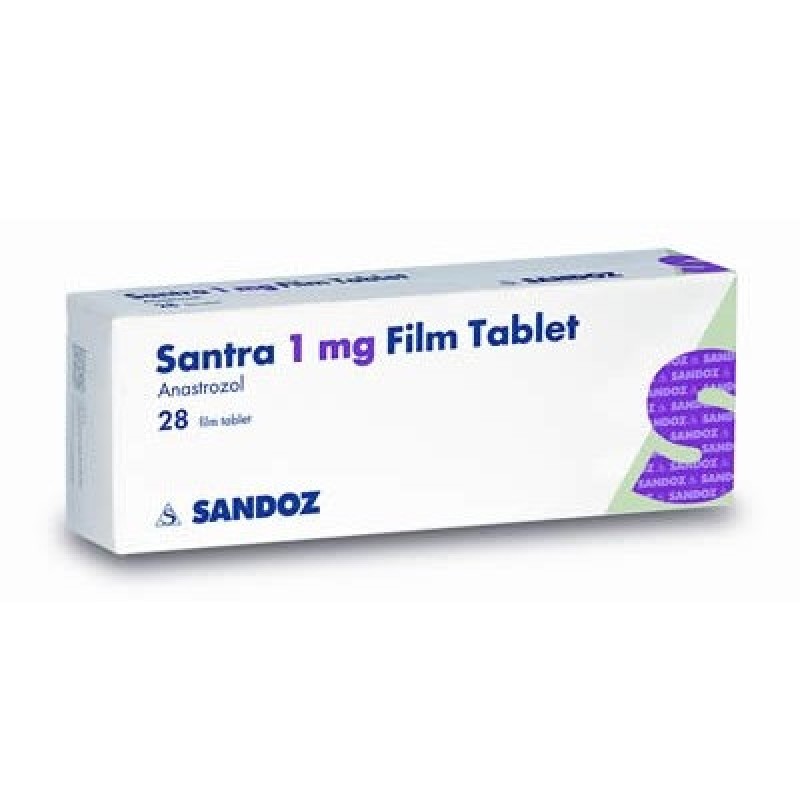
Understanding the Role of Santra Sandoz for Users
Users typically seek out Santra Sandoz for a variety of reasons, mainly pertaining to its efficacy in managing specific health conditions and improving overall well-being. Many individuals may enter their search with preconceived notions about the medication's capabilities, mistakenly believing that it can be a one-size-fits-all solution. Others might assume that the medication works instantaneously or without side effects, leading to unrealistic expectations. It is important to clarify that while Santra Sandoz can significantly assist in treating certain ailments, achieving the desired outcomes generally requires a holistic approach that includes lifestyle adjustments, compliance with dosage schedules, and regular consultations with healthcare providers.
Mechanism of Action of Santra Sandoz
Santra Sandoz is designed to operate on specific pathways within the body to exert its therapeutic effects. The formulation is crafted to interact with certain receptors or enzymes that play pivotal roles in the underlying conditions it aims to address. For optimal effect, it is essential to consider parameters such as the timing of administration, food interactions, and the potential impact of concurrent medications. Each individual may respond differently due to genetic and environmental factors, thus emphasizing the importance of personalized healthcare. Understanding how Santra Sandoz fits into the larger framework of treatment plans can help users appreciate its value and efficacy better.
Precautions to Consider with Santra Sandoz
While Santra Sandoz holds promising potential in the therapeutic landscape, limits exist regarding its use. There are various contraindications that users must be aware of, including specific health conditions that may impede or alter the medication's effectiveness. Individuals with preexisting conditions, those who are pregnant or breastfeeding, or those on extensive medication regimens should consult healthcare professionals before integrating Santra Sandoz into their routines. It is critical to understand that even though Santra Sandoz may provide benefits, it is not suitable for everyone, and improper usage can lead to adverse effects that could compromise health. Safety and efficacy should be the foremost priorities when considering this medication.
Making Informed Choices about Medication
Choosing to use Santra Sandoz should be a decision made with careful consideration and professional guidance. This preparation is not merely an over-the-counter remedy; it is a medication that requires a degree of understanding and responsibility. Patients are encouraged to engage with their healthcare providers and ask relevant questions regarding dosage, expected outcomes, and any concerns they may have about side effects or interactions with other treatments. Being proactive about one’s health is beneficial and can lead to better outcomes.
Exploring the Santra Sandoz Product Page
For those interested in learning more about Santra Sandoz, navigating this product page will equip you with crucial information to make informed decisions. Here, you will find a detailed breakdown of the medication, including its composition, recommended dosages, and guidance on how it functions within the body. Additional resources include patient testimonials and scientific research that supports the use of Santra Sandoz, further evaluating its effectiveness. It is essential to utilize these tools to understand better how this preparation fits your individual health needs and to facilitate a productive dialogue with your healthcare provider. Take your time to explore the various sections, and ensure that you feel confident and knowledgeable about your choices.
| Features | |
| Acne | No |
| Active Half-Life | 2 days |
| Active substance | Anastrozole |
| Also known as | Olanzapine |
| Aromatization | No |
| Blood pressure | May cause orthostatic hypotension |
| Chemical name | 2-Methyl-4-(4-methyl-1-piperazinyl)-10H-thieno[2,3-b][1,5]benzodiazepine |
| Classification | Non-steroidal aromatase inhibitor |
| Dosage | 0.5-1 mg/day |
| Dosage (medical) | Typically 5-20 mg/day, adjusted based on patient response and condition |
| Dosage (sports) | Not applicable |
| Effects | Antipsychotic, mood stabilizing, reduction in agitation and hallucinations |
| Formula | C17H20N4S |
| Half-life | Approximately 30 hours |
| HBR | No |
| Hepatotoxicity | No |
| Lab Test | Monitoring of liver enzymes and metabolic indicators may be required |
| Main action | Antipsychotic |
| Side effects | Weight gain, sedation, dry mouth, restlessness, elevated blood glucose levels |
| Storage conditions | Store at room temperature, away from moisture and heat |
| Substance class | Thienobenzodiazepine |
| Trade name | Zyprexa |
| Use in sports | None |
| WAREHOUSE | International Warehouse 2 |
| Water Retention | No |
| Manufacturer | Sandoz |